Your cart is empty


In this month’s issue we attend the Mongolian White Moon Festival, skill up our peers to deliver DBS testing, tackle HCV myths and much more.
Mongolian White Moon Festival
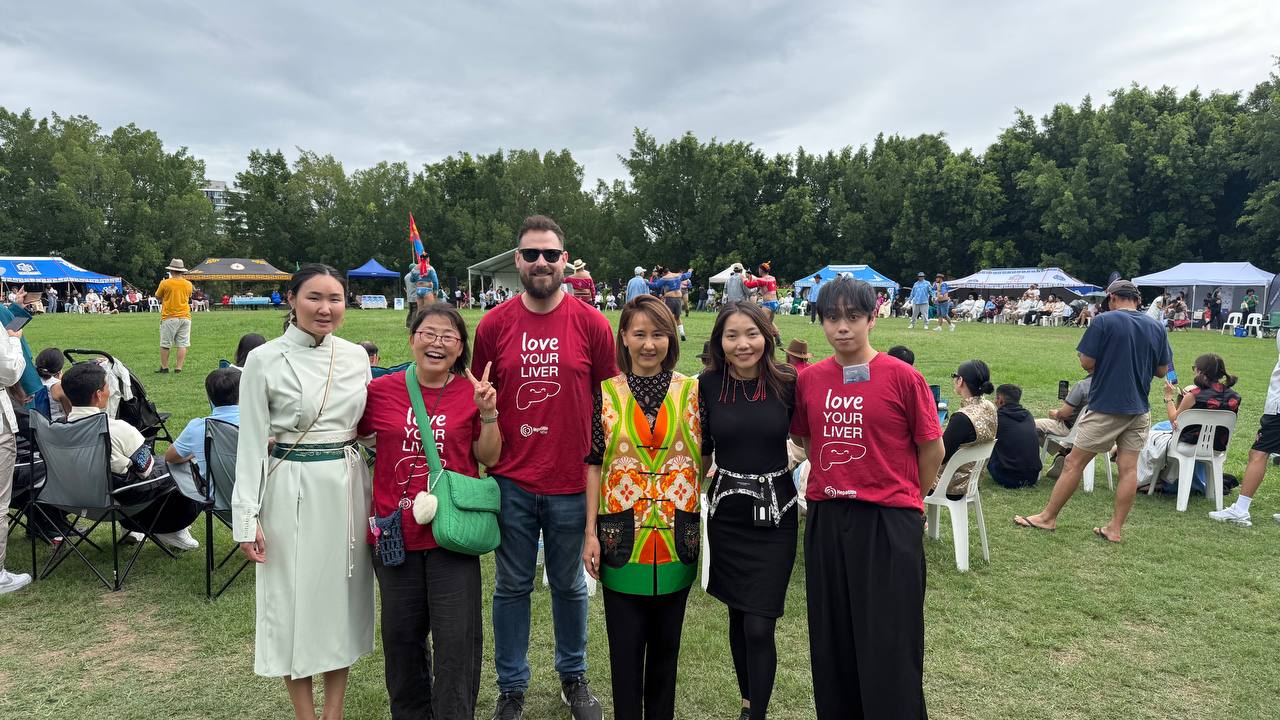
Kyle, Willis and Mina of the Hepatitis B & Multicultural Liver Health Team spent Sunday 15 February at Tempe Park celebrating the Mongolian New Year known as the “White Moon” (Tsagaan Sar) Festival. It was a fantastic experience, and a celebration of nomadic heritage with traditional tents and gazebos, and many people in their beautiful traditional outfits – a feast for the eyes.
The Mongolian community is an emergent group in Sydney with a high proportion of young families and kids that was evident at the festival.
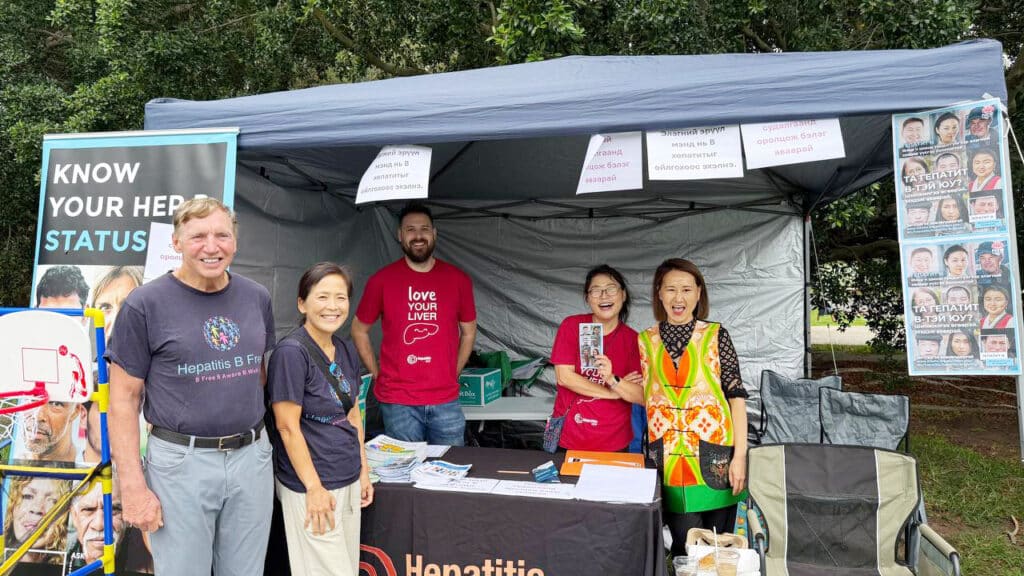
Our team was boosted by the amazing partners helping at our stall. Their presence and support made our time there so much more impactful and helped us connect better and more meaningfully with the community. Huge thanks to the hardworking Cultural Support Workers from Sydney Local Health District, Mongolian doctor Helen Batkhurel from Hepatitis B Free, Professor Alice Lee, and David Hilmers.
Our team are excited to have met so many great people who are keen to help us further develop our work with the Mongolian community.

HepLink Dried Blood Spot Training
HepLink Dried Blood Spot (DBS) is an important and successful, peer-led program that brings free and incentivised hepatitis C testing directly to the community. By taking services to where people are, the program removes barriers to care and ensures testing is accessible to all.
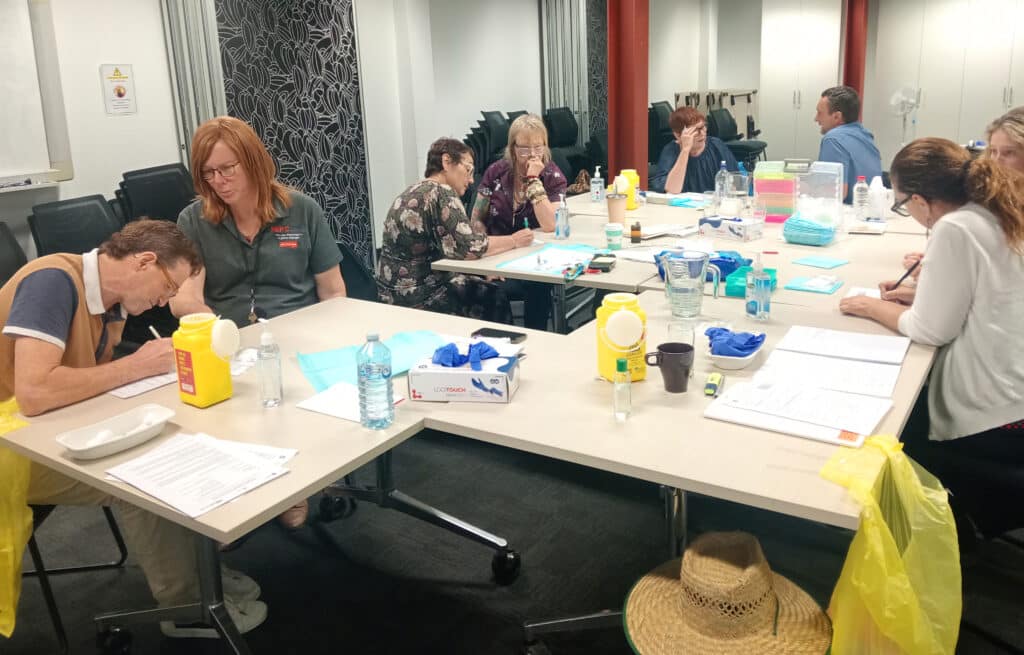
On 12 February, HepLink hosted an intensive in-person training session to prepare four peer workers to lead Dried Blood Spot (DBS) testing, further strengthening this peer-led program. DBS testing is a simple, minimally invasive method for collecting blood. It involves a quick finger prick using a tiny retractable lancet, with the blood drops collected on a special card and mailed to the laboratory for analysis.
The training was led by Nigel (NSW DBS Coordinator), Gracey (HepLink DBS Project Officer) and Grace (Program Manager).
Our trainees completed an online theory component before diving into program logistics, including where and why we test and what a typical outreach looks like.
Key topics of compliance and care covered DBS testing criteria, gaining verbal consent, and completing essential documentation such as registration and Release of Information forms. Trainees then focused on good clinical practice, safe handling, and “tips and tricks” for effective collection. Following a live demonstration, the trainees practiced their skills on one another and staff volunteers to ensure precision and confidence. The trainees excelled throughout the day, showcasing high-level proficiency in blood drawing and safety protocols. Their success was bolstered by their previous experience with INSTI point-of-care testing through the EMPOWER project, making them well-prepared for their upcoming DBS outreach work.
Hep C: Top myths and facts
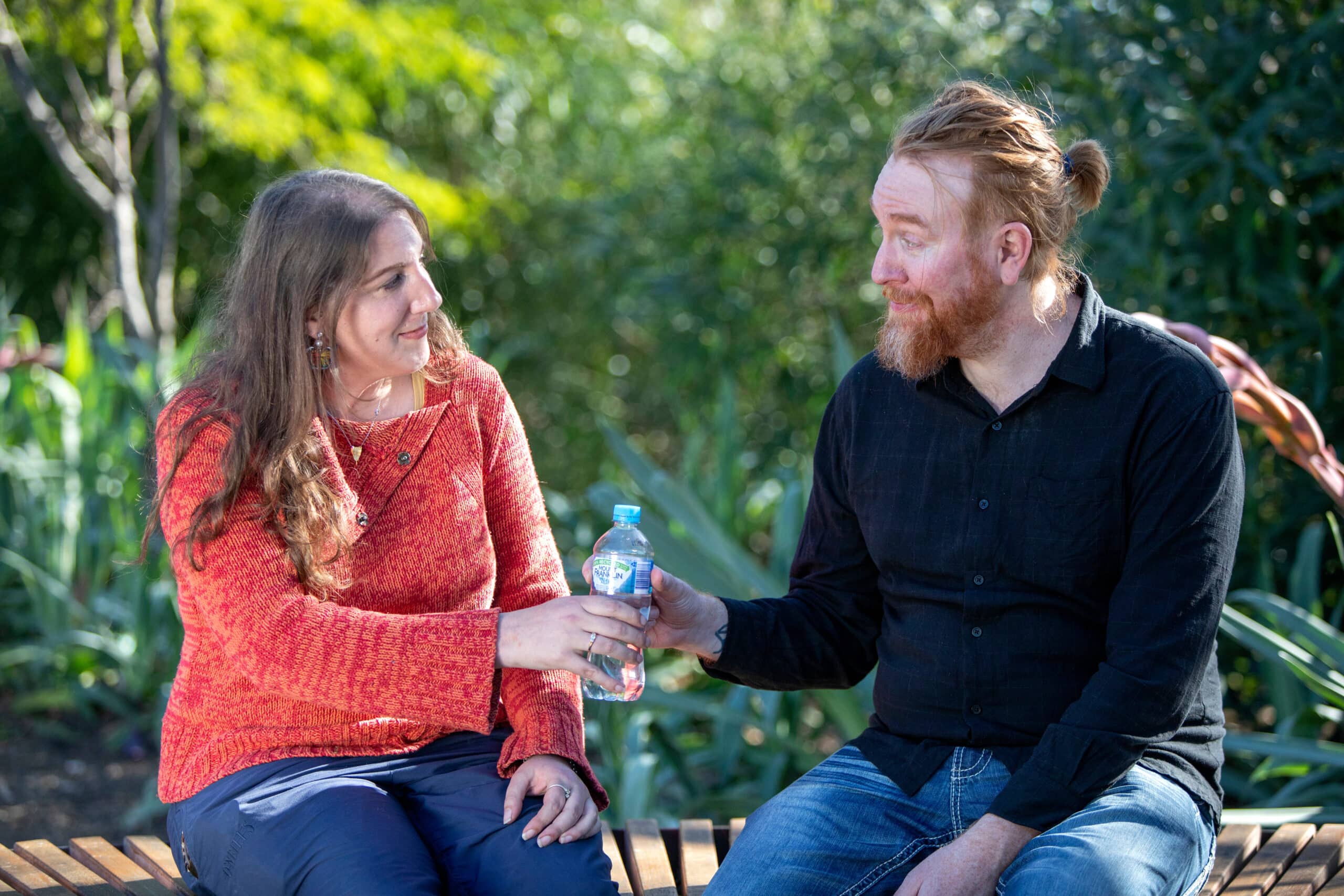
Myths about hep C transmission, treatment, and lifestyle can stop people from seeking the care they need. Below are the answers to common questions about hepatitis C, supported by current facts and evidence.
Myth: I might catch hepatitis C through casual contact like hugging, kissing, or sharing food
Fact: No. Hep C is a blood-borne* virus. It is not passed on by holding hands, hugging, kissing, coughing, sneezing, sharing food or utensils, or using the same toilet seat.
*Blood-borne is when the blood of someone with hep C gets into the bloodstream of someone else.
Hepatitis NSW has created a new webpage with 15 of the top myths and facts about hep C. Please follow this link to learn more about hep C myths and facts.
Louise Maher celebrates 50 years in NSW Health

Long time viral hepatitis champion and Hepatitis NSW colleague Louise Maher recently celebrated a major career milestone, clocking up 50 years with NSW Health.
Louise commenced her nursing training in January 1976 and has worked in the Nepean Blue Mountains LHD as the Health Promotion Manager within the HIV and Related Programs (HARP), including the NSP, and Sexual Health and Liver Clinic teams since 2009.
Louise has always shown up for the communities affected by viral hepatitis, bringing her team along with the changing ways of reaching people and improving access to services. She has re-orientated services too, as Professor Carla Treloar said: “50 years of graft to make services kinder, more inclusive, and better for all.”
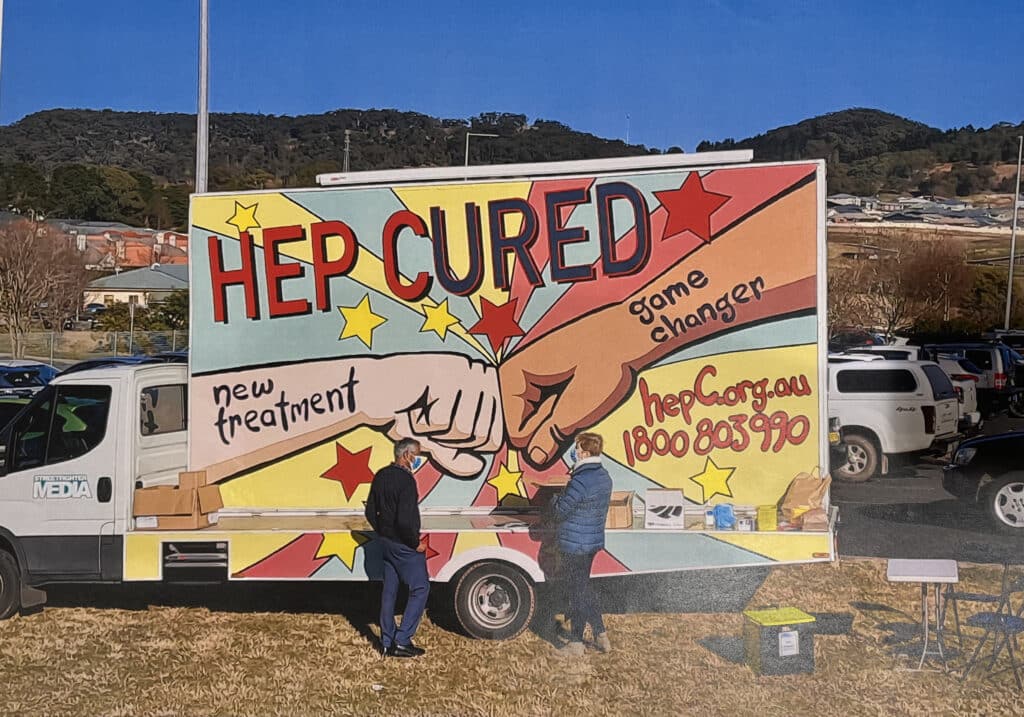
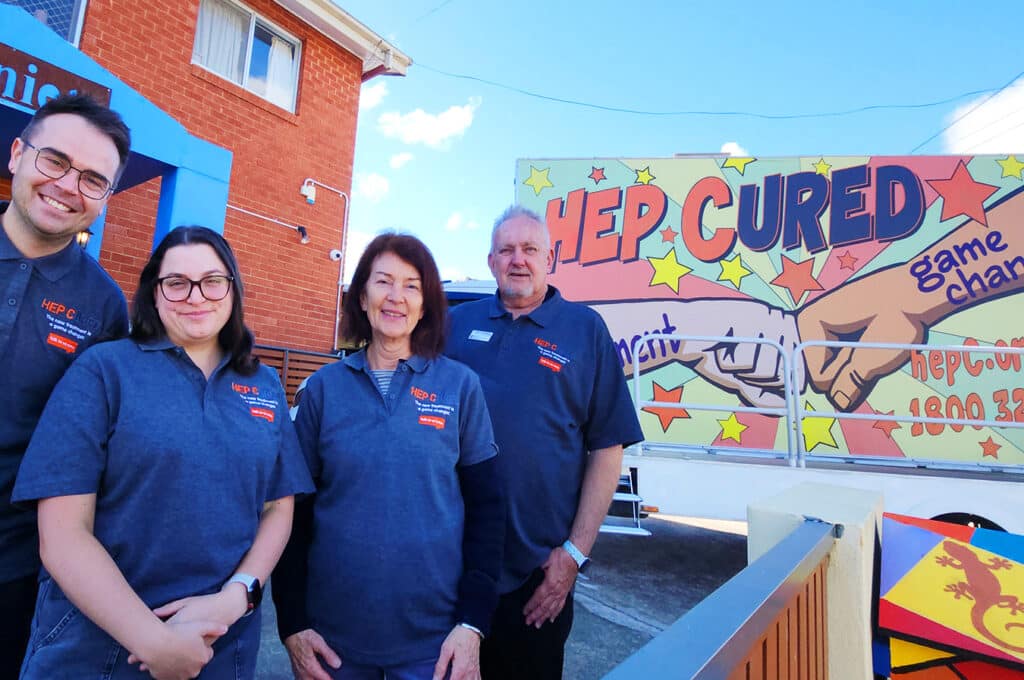
Louise was involved in service design innovation, including employing peer workers to support people to test and get started on treatment; rolling out The Deadly Liver Mob program at the NSP; and designing the Positively Hep program for walk-in clients at the NSP. This program offered incentivised testing from March 2016 when the new DAA treatments became available, reaching 319 people for peer-based services in just two years. More recently Louise and the team have delivered our HEP CURED campaign during the colder months in the Blue Mountains – such a trooper!
Louise is endlessly enthusiastic and unstoppable, and we congratulate her on achieving so much for people affected by viral hepatitis during her 50 years in NSW Health.
Bon Voyage Kevin Schamburg!
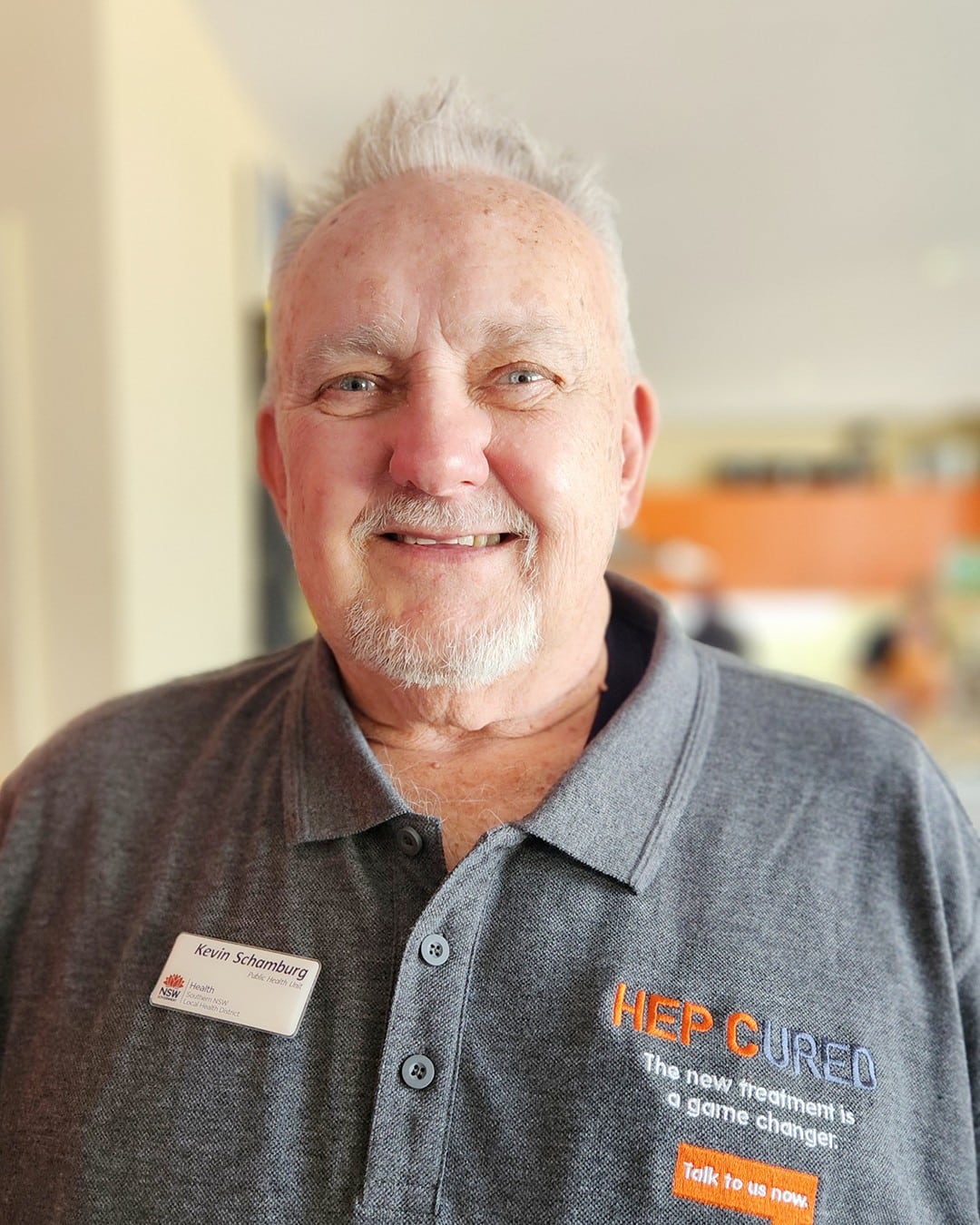
NSW Health’s Kevin Schamburg is taking well deserved long service leave, before eventually moving into retirement.
The HIV, viral hepatitis and sexual health space will not be the same without his patience, kindness, wisdom, humour and infectious buzz! Hepatitis NSW has maintained a strong connection for our outreach and hepatitis C campaign work thanks to Kevin’s generous support, commitment and health promotion ideas.
Kevin worked with and for many organisations and communities, all of which will miss him dearly. Working alongside Kevin has been an invaluable experience and it has been a privilege to witness his dedication to people’s health and wellbeing.
Kevin has been a great friend, collaborator and partner to Hepatitis NSW over many years. Thank you, Kevin, for your amazing contribution over 30 years in the health sector. We all wish Kevin all the very best for well-deserved leave and a happy, enjoyable retirement.
“Kevin, we hope this time brings you lots of rest, joy, and adventure. Your depth of knowledge and the impact you’ve made throughout your career is truly remarkable.”
Tx! MAG #47. Order your copies!

It’s that time again – our latest TX! Mag is out. In issue #47 Katie has just got out of prison and has a job in hospitality but the tattoo she got when inside has put her at risk of hep C. Will she take the brave step to get tested? It’s a scary step to take for some but support is close at hand for Katie.
Our second story introduces Tom. Tom has hep C but has not followed up with treatment…he mistakenly believes the treatment is still that terrible Interferon. Can he be persuaded to get cured with the new DAAs, meds once a day, no needles and little to no side effects? Join Tom as he chooses which track to take.
Don’t forget you can catch up all past issues online. Do yourself a favour and subscribe so you never miss a future issue.
Job vacancy: Clinical Nurse Specialist, Hepatology Nurse
Link: Clinical Nurse Specialist – Hepatology Nurse – Western NSW Local Health District Careers
Employment Type: Permanent Full Time – Job Share may be considered
Position Classification: Clinical Nurse Specialist Grade 2
Remuneration: $116,639.98 – $120,469.88 pa (+ superannuation + salary packaging options)
Location: Orange, NSW – Find out more
Hours Per Week: 38
Applications Close: 9 March 2026 – 11:59pm
Clinical Nurse Specialist – Hepatology Nurse
Orange Health Service – Kite Street Community Health
About the role
This is an exciting opportunity to work with a collaborative multidisciplinary team to improve the health and wellbeing of people living with a range of liver conditions. You will work closely with the gastroenterologists and community health teams to support outpatient liver clinics across a range of community settings, including outreach to communities in Central West NSW. You will be supported with training in this exciting role for nurses who are interested in extending their skills and knowledge in liver disease.
You will provide clinical leadership, advice and recommendations on all aspects of your specialist field of nursing, clinical supervision to nursing staff and be a role model for the team, providing nursing care on a regular basis.
Open communication skills and emotional intelligence are of vital importance to this role, as we’re seeking someone to enhance our team with their positive influence and resilience.
You’ll demonstrate knowledge in applying research and evidence-based practice, with the ability to think critically, problem solve and link outcomes to the principles of continuous quality improvement in your clinical specialty field.
This role is based from the Orange Kite St Community Health Centre.
To find out more about the role click to view the Position Description

The Champion is our free monthly eNews with updates on hep C, hep B, treatment news, social media campaigns, living well with viral hepatitis, and events. To subscribe and receive a monthly edition of the The Champion to your inbox, please complete this confidential form: