Your cart is empty

In this March issue we have a vacancy that might be the perfect fit for you.
Korean LiverCare at Lidcombe
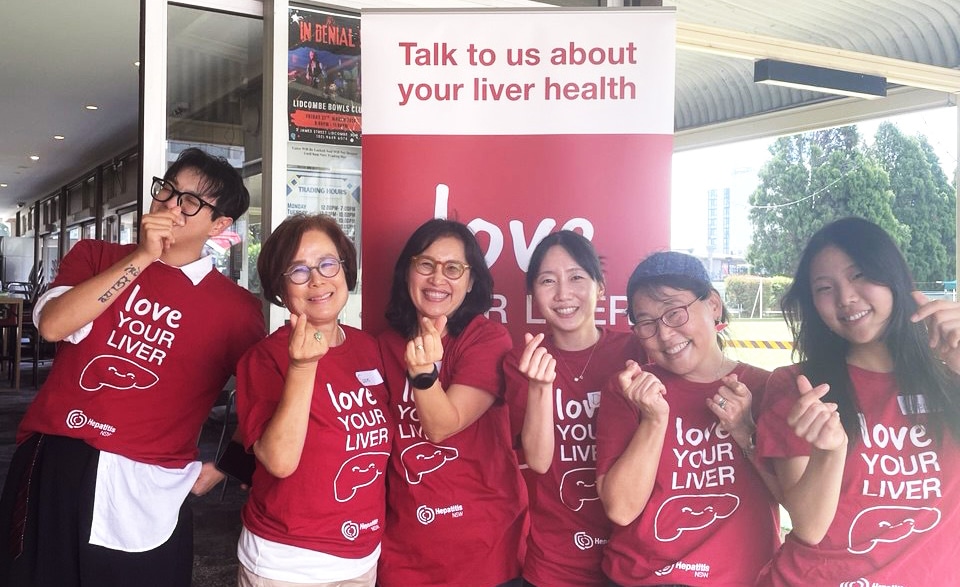
Earlier in March, Hepatitis NSW held our first LiverCare event for the Korean community in Lidcombe, which is home to one of NSW’s largest Korean populations. It was a great day and was wonderfully rewarding to finally bring this popular and successful program to such an engaged community.
Our Hepatitis NSW multicultural workers – Soonie, Jin, Diana, and Stephanie – having successfully completed their training earlier this year, did a stellar job at their first LiverCare event supporting attendees throughout the day. They played a vital role on the day, warmly welcoming participants and clearly explaining the purpose of the event. Their preparation and professionalism truly shone on the day.
With the help and hard work of Maia (Project Officer, Aboriginal Community Engagement) and Lauren (Project Officer – Infoline, Speaker Program, Hep Connect), as well as the invaluable contributions of Samira and Jessie from the Kirby Institute, along with our fantastic partners from the Westmead Hospital Liver Clinic nurses Jocelyn, Amy, and Diyona, we welcomed 51 Korean community members as program participants. Many people shared what a very positive experience they had, with some asking when the next LiverCare event would be held.
Lidcombe’s vibrant Korean food scene added a cultural highlight to the day, with Korean-style lunch boxes, with the spicy flavours and large portions enjoyed by staff.
With LiverCare now reaching five different culturally diverse communities, the program continues to grow stronger and become more refined. Together, we are moving towards the viral hepatitis’ elimination goals within NSW.

Mob in NSW, hep C and Closing the Gap
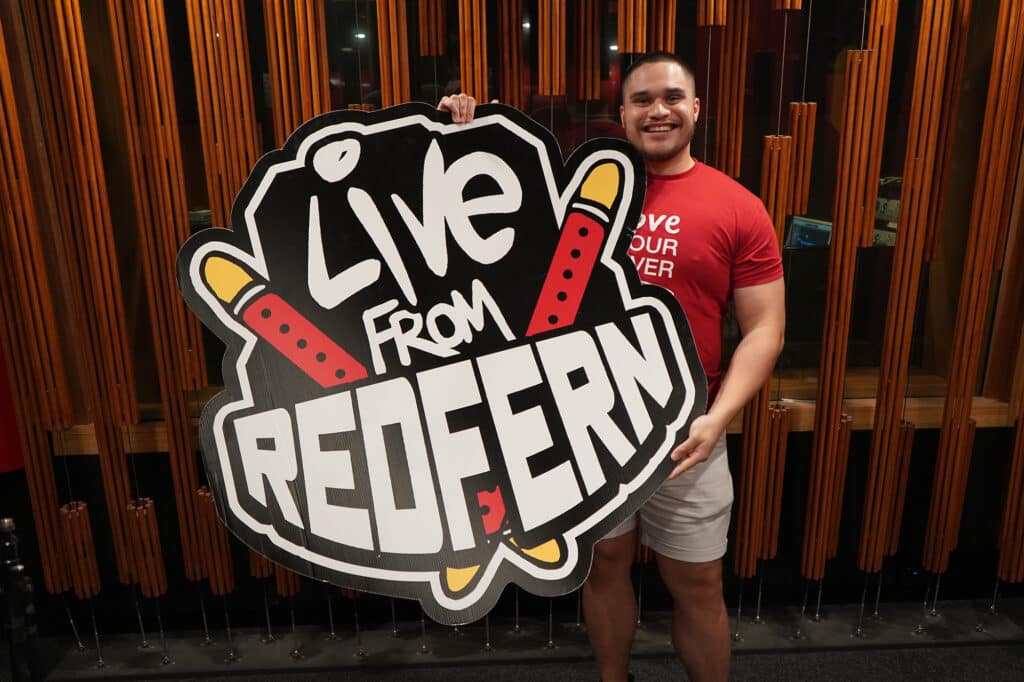
To mark National Close the Gap Day 2026 on 19 March, Maia, the HepNSW Aboriginal Community Engagement Project Officer prepared and delivered the following statement.
I want to start by giving a bit of context about Mob here in NSW.
Across the state there are around 265,000 Aboriginal people living in NSW, making up about 2.9% of the population. NSW is home to about 31% of the total Aboriginal and Torres Strait Islander population in Australia, so the work we do here has a big impact nationally.
Mob in NSW are also a young population. Around 40% of our people are under 25, which is important when we think about prevention, education and access to health services. So culturally safe services need to exist everywhere — in cities, regional towns, and communities. But even with that strong presence, we still see significant health gaps, and hepatitis C is one of those areas.
The Gap when it comes to Hep C
When we talk about Closing the Gap, hepatitis C is an important part of the story. Aboriginal people are significantly more affected by hepatitis C compared to the non-Indigenous population. For young Mob especially, the difference is stark.
For young mob or people aged 15–24, hepatitis C notifications are about 10 times higher. And for Mob aged 25–39, notifications are around 7.4 times higher.
So, when we talk about Closing the Gap, we’re not just talking about numbers — we’re talking about access to care, prevention, culturally safe services, and making sure Mob aren’t left behind in hepatitis C elimination.
Why does this gap exist?
The gap isn’t about individual choices — it’s about systems and history.
We know Aboriginal people experience:
- higher rates of incarceration
- barriers to culturally safe healthcare
- stigma around drug use and blood borne viruses
- Intergenerational Trauma
- and unequal access to prevention and treatment services
For example, over-representation of Aboriginal people in prisons increases exposure to hepatitis C risk, especially where harm reduction services are limited. So, when someone leaves prison and comes back into community, they often face gaps in testing, treatment and ongoing care.
That’s where a lot of our work at Hepatitis NSW comes in.
The work we do with Mob
In my role as Aboriginal Community Engagement Project Officer, a big part of my work is making sure hepatitis C information and services are accessible, culturally safe, and led by community needs.
Some of the work includes:
Running Mob and Hep C workshops with Aboriginal Health Care Workers.
These sessions are about building knowledge and confidence so that Aboriginal health workers can have those conversations in community and support people through testing and treatment.
I also support Aboriginal and Non-Indigenous callers on the Hepatitis Infoline, including people looking for information or needing support.
Another important area is working alongside Justice Health teams, including regional outreach trips as part of the High Intensity Testing Campaigns, as well as partnering with Justice Health’s team to create culturally safe programs around re-treatment, and create messaging directly from the community through focus testing messages with Mob currently in custody.
This work focuses on helping people in custody access testing and treatment and making sure there’s support as people transition back into community.
What do we need to do to Close the Gap?
If we’re serious about Closing the Gap in hepatitis C, there are a few key things that need to happen.
First, we need to design services for young Aboriginal people, because we know they are disproportionately affected.
Second, we need culturally safe prevention, testing and treatment programs that are designed with community, not just for community.
We also need to ensure that needle and syringe programs are accessible and culturally appropriate, including exploring ways they can operate within ACCHSs.
Improving access or knowledge about drug and alcohol treatment services for Aboriginal people is also essential, both inside and outside prison.
And just as importantly, we need integrated health promotion that talks about hepatitis, STIs and liver health — while also addressing stigma and discrimination.
10th anniversary of the listing of Direct Acting Antivirals (DAAs) on the PBS
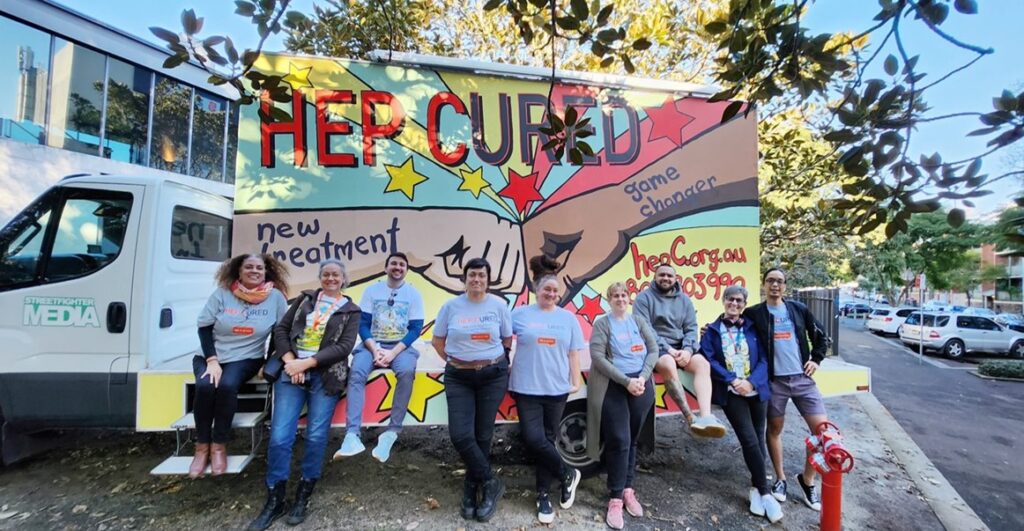
On 1 March 2016, Australians living with hep C gained unrestricted access to interferon-free direct-acting antiviral (DAA) treatments, achieving cure rates exceeding 95%! You can read all about the campaigns and efforts that led up to this momentous announcement in our ‘Timeline to success’ >>
Hepatitis NSW hosted an event on Thursday, 19 March 2026 to mark a milestone that has shaped the successful drive towards elimination of hepatitis C as a public health issue in NSW.
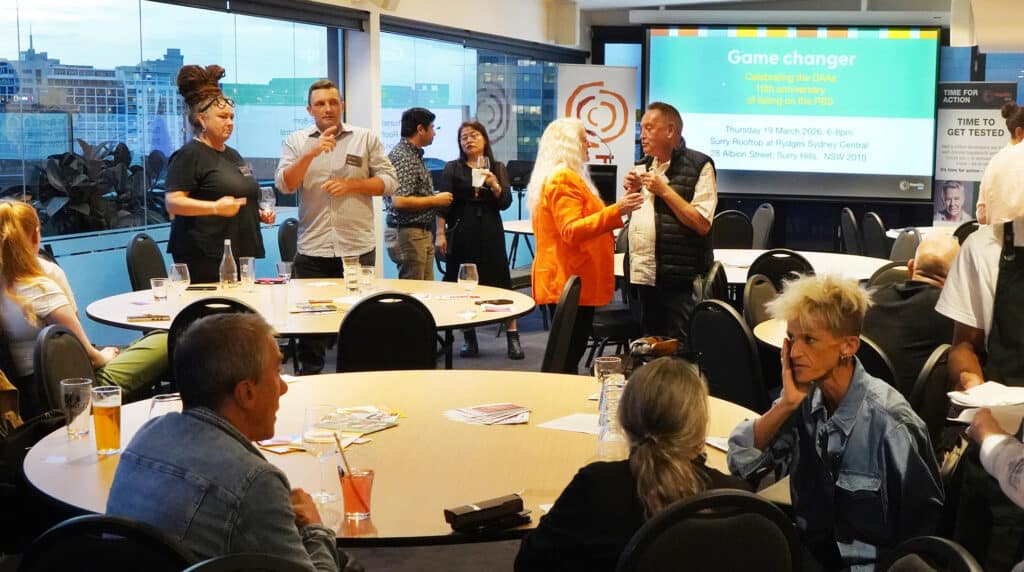
The event celebrated the 10th anniversary of the listing of direct acting antivirals (DAAs) on the PBS.
Since listing in 2016, many thousands of people in NSW have been cured of hepatitis C. In addition, we have seen a significant drop in the prevalence and incidence of hepatitis C, especially in at-risk population groups.
Download the media release here >>
The event included the release of a series of video vox pops from people with lived experience of hepatitis C and DAA treatment, community members and leaders, health professionals, policy makers, allies and supporters reflecting on the campaign for, the achievement of, and impact of PBS listing of ‘gamechanger’ DAAs in 2016.
These videos will form a social media campaign promoting the efficacy and availability of hepatitis C treatment and cure. The campaign aims to create a fresh and renewed impetus to efforts in eliminating hepatitis C by 2030.
You can watch all the videos here >>
Make your mark as HepLink NSW Coordinator
Hepatitis NSW is recruiting a Coordinator to lead our HepLink NSW initiative, an innovative program designed to increase access to viral hepatitis testing, treatment, and care across the state. The program plays a vital role in reaching people who may benefit from hepatitis B or hepatitis C testing, vaccination, monitoring, or treatment, and offers personalised information and direct linkage to local health services.
The HepLink NSW Coordinator will engage directly with communities, services, and partners to build and document clear pathways to care. This includes proactive outreach, providing education and service navigation, coordinating referrals, and developing strong networks that reduce the impacts of stigma and discrimination. The role also supports the development and promotion of Hepatitis NSW’s online Service Directory – our essential resource connecting people with relevant hepatitis and liver health services.
Working as part of the HepNSW team, the Coordinator will deliver practical, person‑centred initiatives that support the state’s goal to eliminate viral hepatitis. Through collaboration, training, community engagement, and data‑informed practice, HepLink NSW ensures individuals and services receive seamless support.
- Applications close: Monday, 30 March, 5.00pm
- For more information on how to apply and a job pack: Ethical Jobs
Deadly Sex NSW 2026 Forum
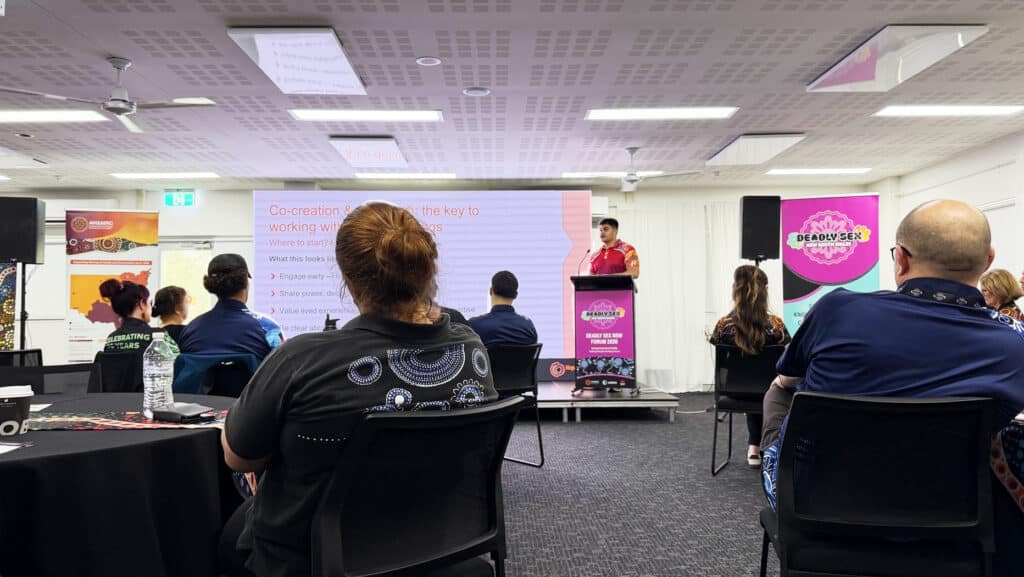
Maia, Hepatitis NSW’s Aboriginal Community Engagement Project Officer attended the Aboriginal Health and Medical Research Council’s (AH&MRC) Deadly Sex NSW 2026 Forum. The 2-day Forum was an opportunity to listen, learn and network with Aboriginal Health Workers and Aboriginal Health Practitioners from across New South Wales. It was a time to connect with other Mob and celebrate the amazing work that’s been done in the BBV and STI sector for First Nations people.
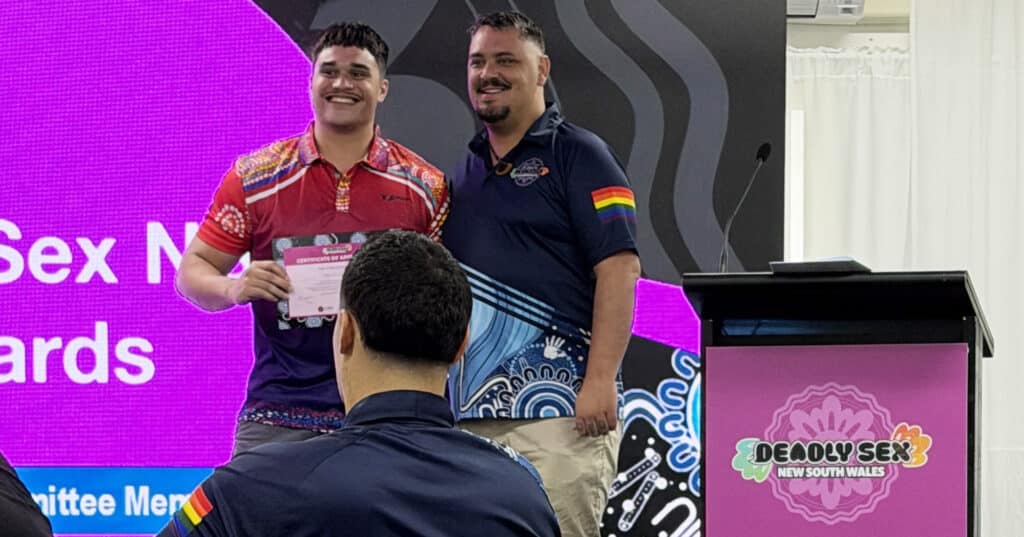
Maia presented on how Good Representation and Strong Cultural Safety can improve outcomes for community engagements. Maia also received an award from the AH&MRC, for “The most Deadly up and coming Champion for First Nation’s Sexual Health at the Deadly Sex NSW 2026 Forum”.
Work attitudes and experiences in the HIV, BBV, SRH sector
Researchers at UNSW are conducting a study about attitudes and perceptions of working in the HIV, blood-borne virus (BBV), or sexual and reproductive health (SRH) sectors.
If you are interested, the research project is looking for people who are: working in the Australian HIV, BBV or SRH health or community sectors; are over 18 years of age; are able to complete the survey online and in the English language.
The survey will take approximately 20 minutes to complete. At the end of the survey, you will be given the option of providing your email address to enter a draw to win one of five AUD $50 Coles Myer electronic gift vouchers.
Click on this link to complete the survey.

The Champion is our free monthly eNews with updates on hep C, hep B, treatment news, social media campaigns, living well with viral hepatitis, and events. To subscribe and receive a monthly edition of the The Champion to your inbox, please complete this confidential form: