Your cart is empty


In this May issue, we visit Silverwater Women’s CC, conduct DBS testing in Bathurst, connect with the Vietnamese community in Bankstown, and share plenty more.
- LiverCare in Bankstown
- HepLink DBS in Bathurst
- Closing The Gap at Silverwater Women’s Correctional Centre
- Sydney LHD HARP and Peer Partner program creating quality community engagements
- Educating professionals for respectful and inclusive conversations
- Can you have hep B and hep C at the same time?
- Hep B education in Campbelltown
- Hepatitis NSW on SBS Radio
- How alcohol affects hep B and hep C
- Communications Community of Practice Workshop
- Happy Birthday Uniting MSIC!
- New MHAS website launched
LiverCare in Bankstown
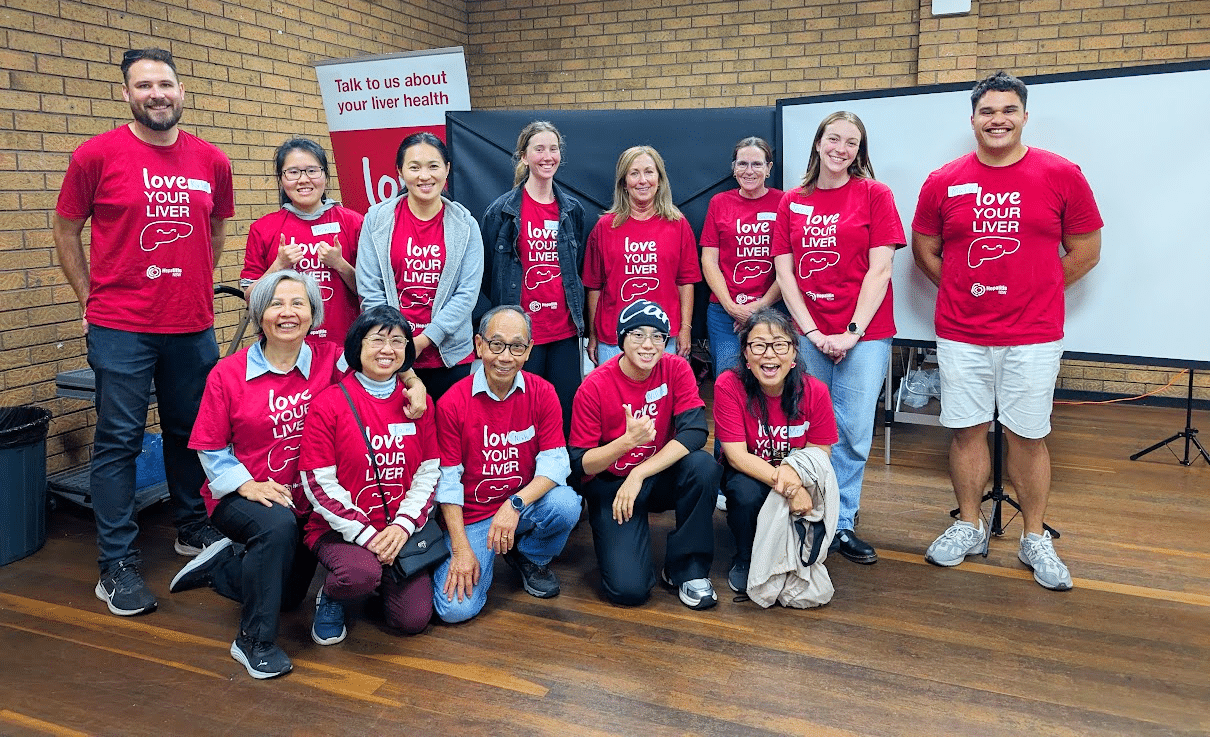
In April, Hepatitis NSW delivered our tenth LiverCare event. Through LiverCare we take point-of-care hep B and hep C testing, along with a FibroScan, to multicultural communities across Sydney. For this event, we spent the day with the Vietnamese community in Bankstown, where 56 people were tested and received quick, free and easy healthcare from our clinical partners at South-Western Sydney LHD. A big thank you to our partners at the Kirby Institute and Bankstown Hospital Liver Clinic who play an essential role in helping us bring this valuable program to the communities that need it most.

HepLink DBS in Bathurst
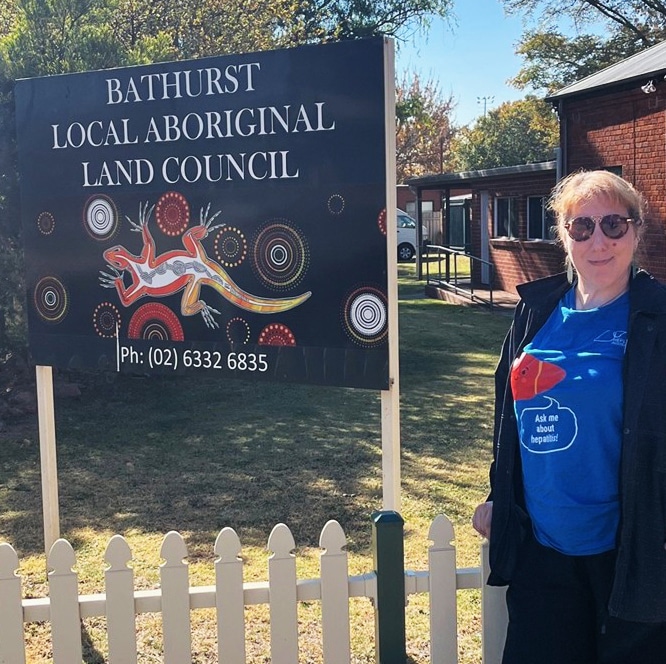
Staff from Hepatitis NSW’s HepLink DBS project spent three days in Bathurst with local organisations, carrying out testing across the community. Dried Blood Spot (DBS) testing – using only a few drops of blood from a finger prick – is a simple, portable way to test for hep C RNA and identify an active infection.
There were 22 people tested at Bathurst Uniting Church and 21 people tested at the Bathurst Local Aboriginal Land Council. Word of mouth spread quickly among family and friends, and many people travelled to the Land Council to be tested. Bathurst Community Corrections also helped promote the testing event.
Then, nine people were tested at HopeCare – a Bathurst-based not-for-profit organisation whose creative projects provide compassionate solutions to address disadvantage.
Some participants were a little apprehensive at first and asked plenty of questions, including…
Many were surprised by how simple it is to have a Dried Blood Spot test. For many people who had never been tested for hep C before, this made the process feel easy and accessible.
Anyone who is identified as RNA positive for hep C, will be supported and facilitated into care with our clinical partners, as part of the service offered by HepLink DBS.
We’re hoping to run more HepLink DBS testing events in other regional centres in the not-too-distant future. of blood onto a card which is then sent to a laboratory.
Closing The Gap at Silverwater Women’s Correctional Centre

Hepatitis NSW’s Maia and Saysana attended Close the Gap Day at Silverwater Women’s Correctional Centre on 29 April.
There was a strong turnout, and it was wonderful to see so many services come together with a shared focus on improving health outcomes for people in custody. The time and effort that went into the day did not go unnoticed. Special thanks to Alan and Gary from Justice Health NSW for organising and coordinating our involvement. One woman in custody shared that the day made her “feel seen” and that the team showing up and yarning had “put a smile on their faces”. A staff member from Justice Health NSW added that the day “made a genuine difference.”
One of the highlights of the day was the opportunity to connect across organisations. The conversations, networking and willingness to collaborate will go a long way in strengthening relationships and improving how we support some of the most vulnerable people in custody in the future.
Sydney LHD HARP and Peer Partner program creating quality community engagements
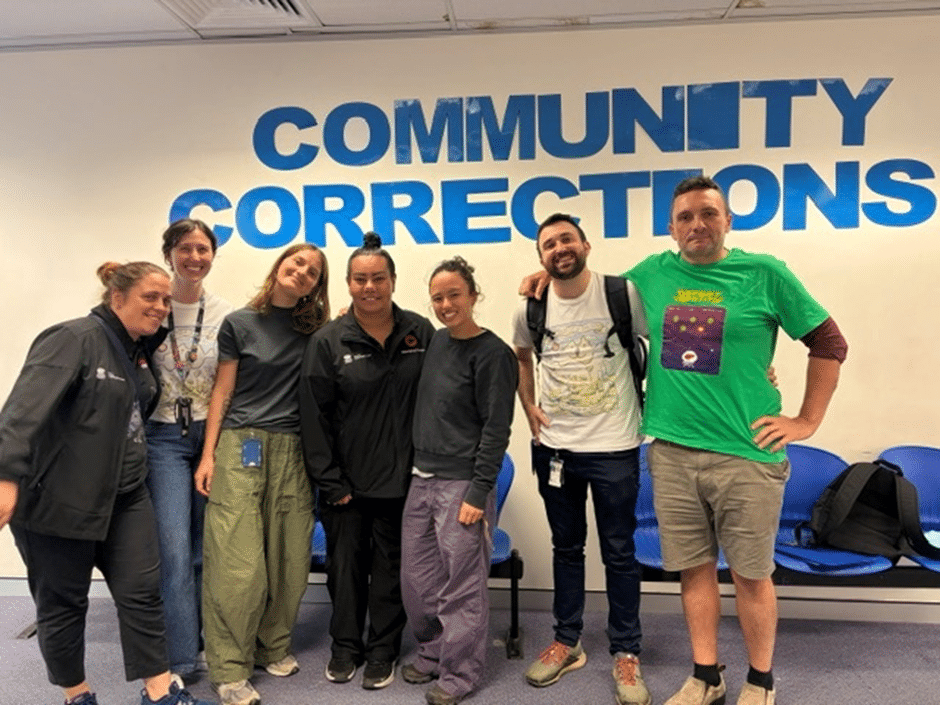
Hepatitis NSW’s Peer Partnership program is making a real difference across Sydney’s inner west and south-west through local partnerships and a shared commitment to meeting people where they are. Working alongside Sydney Local Health District’s HARP teams, peer workers are helping connect communities with practical, welcoming health support.
At recent events, Peer Partnership staff brought the value of lived experience to the frontline, helping people feel more comfortable accessing care, information and testing.
In April, two events at Waterloo Community Centre brought together SLHD teams, OzHarvest, Street Side Medics and Leichhardt Community Health Centre. Community members were able to access free flu vaccinations and Dried Blood Spot testing for hep C.
Across these events, JD and Will from the Peer Partnership program engaged more than 100 people, with 43 choosing to have a hep C test.
That same approach continued in May, when SLHD HARP, together with Hepatitis NSW peer worker Liam, attended the Service Hub at Leichhardt Community Corrections, bringing essential services together in one place.
At the event, 18 people had a hep C finger prick test and received a $20 gift card. Flu vaccinations and women’s health consultations were also available.
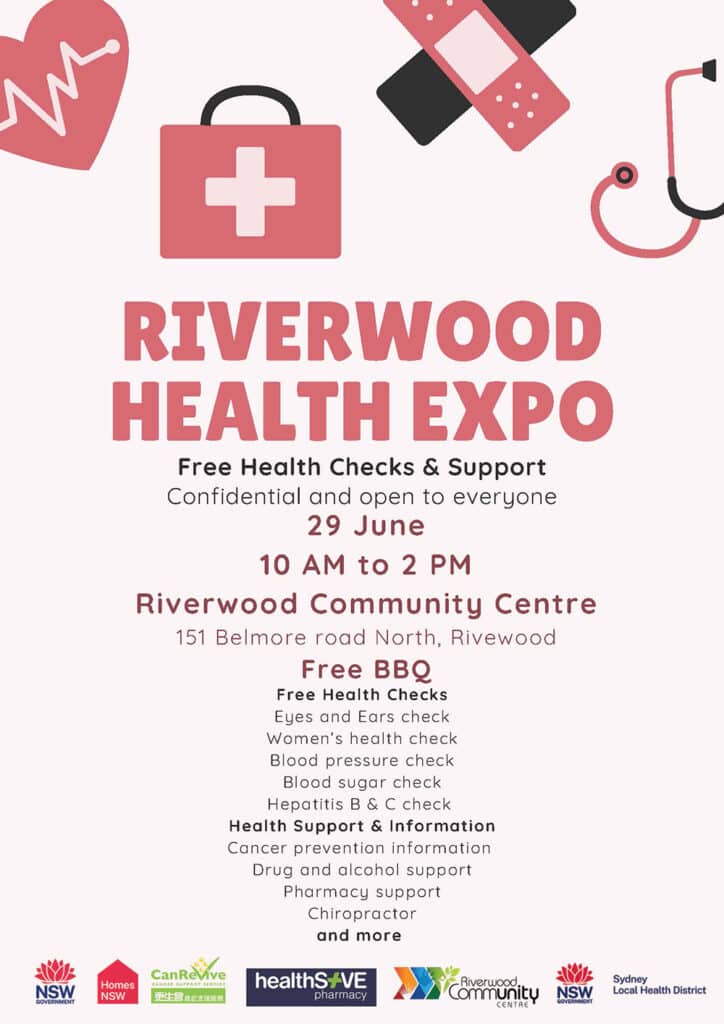
Looking ahead, another major collaboration between Hepatitis NSW and SLHD will take place at the annual Riverwood Health Expo.
The expo will feature more than a dozen services offering free healthcare and support. Peer Partnership staff will connect eligible people with hep C testing, while LiverCare will support people from culturally and linguistically diverse communities to test for hepatitis B. A $20 gift card will be offered to everyone who completes either test.
Together, these events show how trusted partnerships can reduce barriers, build trust and bring care closer to the community.
Educating professionals for respectful and inclusive conversations
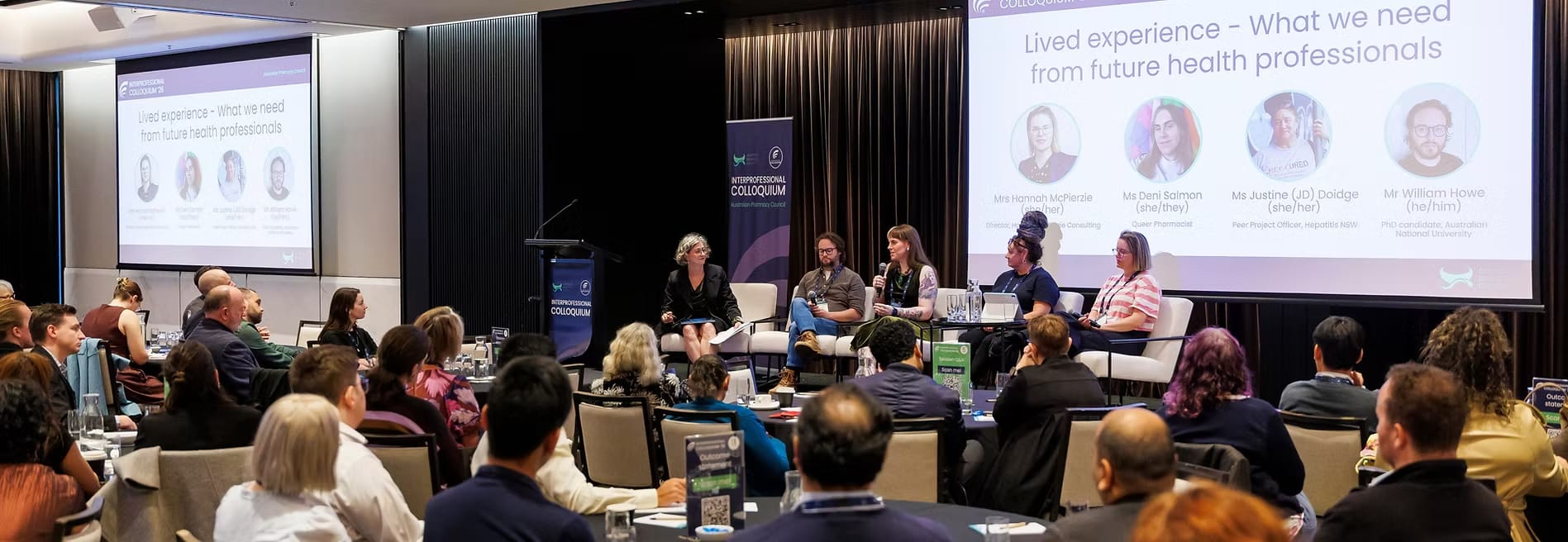
This year, the Australian Pharmacy Council’s (APC) Interprofessional Colloquium was held in Canberra, and JD – Hepatitis NSW’s Peer Program Project Officer – joined a panel of lived experience speakers. The panel explored the topic, “Lived Experience – what we need from future professionals.”
APC’s Interprofessional Colloquium is designed to support high-quality education and training by bringing together health profession educators, policymakers and students to help shape the future of health professional education.
The Colloquium helped participants better understand the importance of respectful and inclusive conversations in healthcare. It also explored practical tools and strategies, encouraged delegates to foster inclusive behaviours across disciplines, supported students to build these skills, and highlighted the value of lived experience in amplifying voices.
There were many valuable takeaways from the day, including JD’s reflection that when planning for the community, there should be “nothing about us without us.” This principle was one of many that helped guide the development of the event’s outcome statement.
JD said of the event, “It was a privilege to share the stage with my fellow panellists, such powerful stories of diversity and inclusivity. I look forward to catching up with everyone again next year in Sydney.”
Can you have hep B and hep C at the same time?

Hep B and hep C can sometimes occur together and is known as a co-infection. While not common, when it does happen it can increase the risk of liver damage. Testing is the only way to know for sure and identify both viruses. Hep C can be cured, and hep B can be managed well with regular care and check-ups.
To read more about hepatitis B and hepatitis C co-infection check out this new post on our website.
Hep B education in Campbelltown
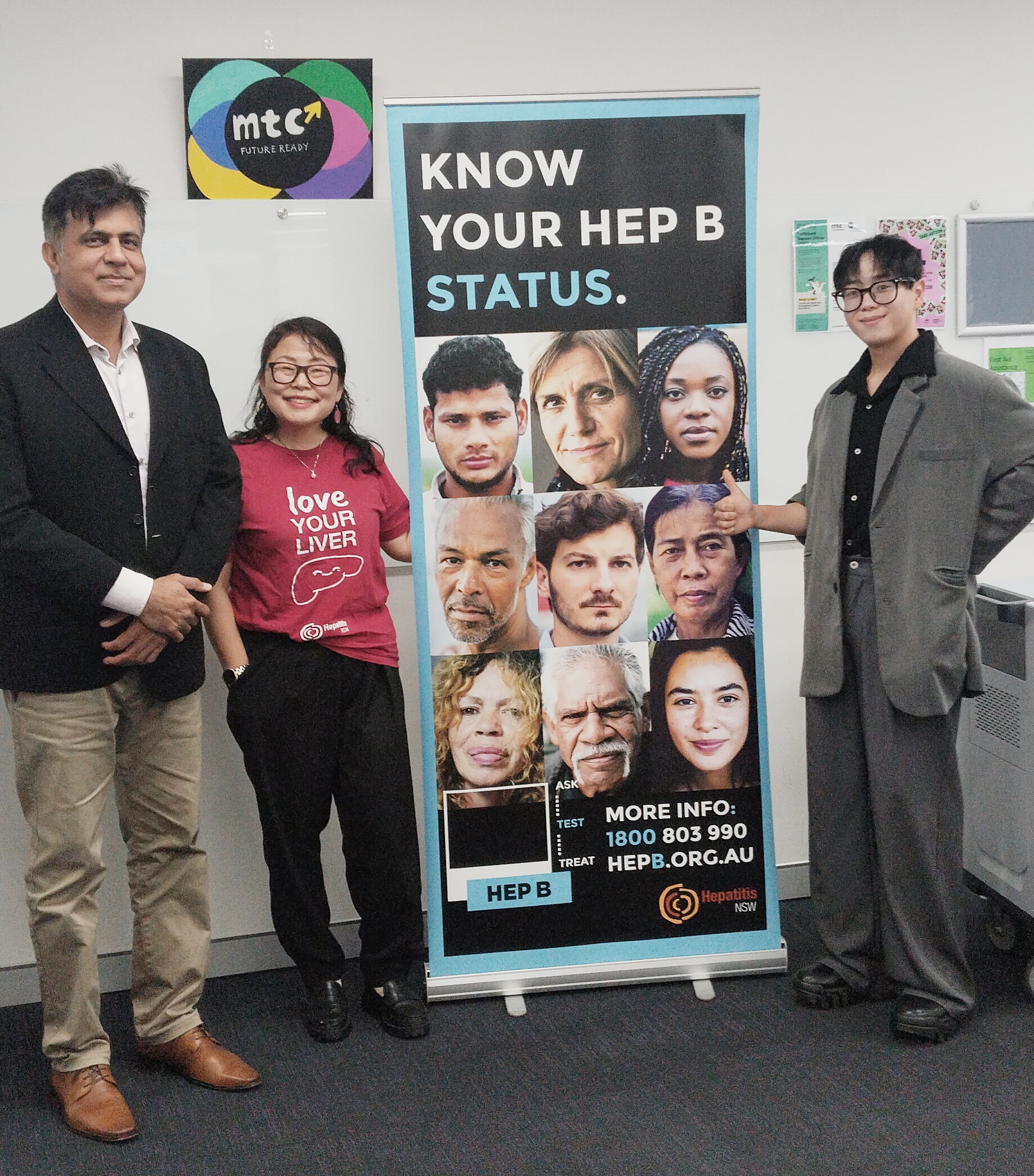
Our Multicultural Hep B and Liver Health Team recently partnered with MTC FutureReady to deliver a hep B education session for 20 students at the MTC office in Campbelltown.
MTC FutureReady is a social enterprise and not-for-profit organisation that provides employment services, vocational training and youth mentoring. They regularly invite service providers to deliver information sessions.
We spoke with the students about what the liver does, the different types of hepatitis, hep B and how it is diagnosed and managed, how liver cancer can develop, common myths, and ways to support liver health.
The students’ feedback and engagement showed that the information was clear and helpful, with them letting us know several hep B topics became easier to understand.
Our collaboration with MTC FutureReady will continue, with more hep B education sessions planned soon for MTC participants in Miller and Cabramatta.
Hepatitis NSW on SBS Radio

Willis from our Multicultural Hep B and Liver Health program recently spoke on SBS Radio about hep B, with a focus on awareness, testing and prevention in multicultural communities. Because hep B is often a silent condition, many people can live with it for years without symptoms, making testing the only reliable way to know their status.
A key focus of the discussion was vaccination. The hep B vaccine is safe and highly effective, and most people who have completed the full course and developed immunity do not require a booster.
Willis advised that, even if antibody levels decline over time, the body will usually retain immune memory and can respond quickly upon exposure. In some cases, such as for people who were never tested after vaccination or those at higher risk, doctors may recommend checking immunity or considering further doses.
Finally, he highlighted that hep B is manageable. With regular monitoring and the right care, people living with hep B can lead normal, healthy lives. Audiences were encouraged to access testing and culturally appropriate support through GPs and LiverCare, a Hepatitis NSW program that provides community-based hep B testing and support.
How alcohol affects hep B and hep C

If you are living with hep B or hep C, your liver might be working harder because of the infection. Alcohol can add more stress to your liver and could increase the risk of liver inflammation, scarring and damage. So, if you’re living with hep B or hep C, drinking alcohol could increase inflammation, worsen liver damage and raise the risk of fibrosis, cirrhosis and liver failure. Read more here.
Communications Community of Practice Workshop
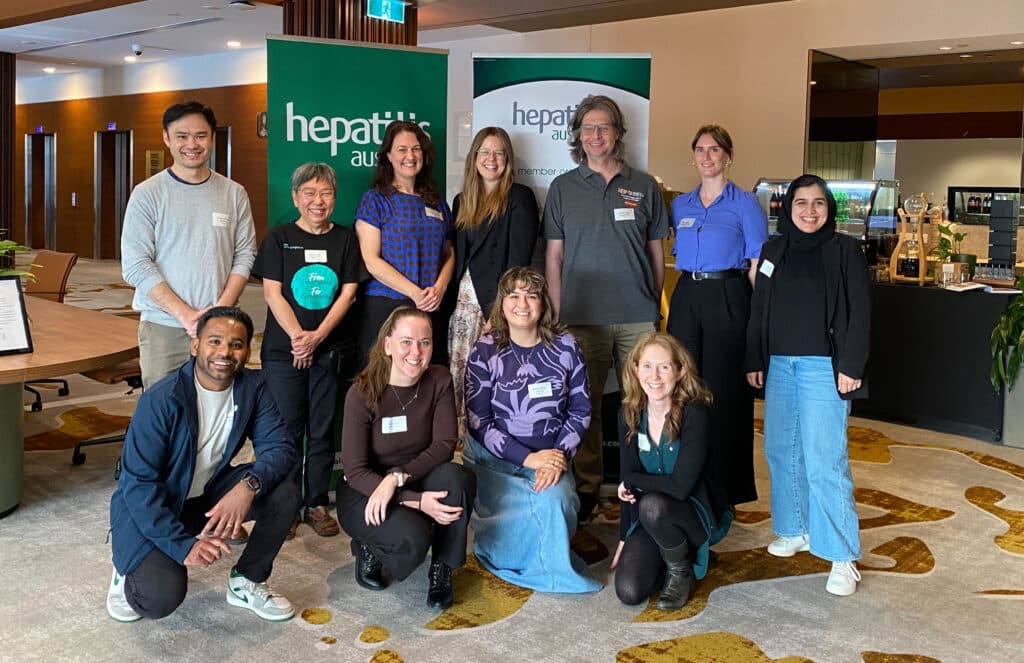
In early May, Hepatitis Australia held a Communications Community of Practice Workshop in Melbourne, attended by Steve, our Communications and Resources Project Officer.
The workshop brought together viral hepatitis and liver health teams from across the country to share insights, challenges, and new approaches. Sessions focused first on strengthening reach and engagement with priority populations, before moving into practical strategies for evaluation and measurement.
A highlight of the day was the series of spotlight talks, where each team delivered a five-minute showcase of a recent resource or communications initiative. Presentations ranged from ABC News coverage to innovative website Hubs, with every team offering thoughtful and articulate insights into their work.
Hepatitis NSW thanks Hepatitis Australia for organising and hosting this energising event. We look forward to the next one.
Happy Birthday Uniting MSIC!
This month, the Uniting Medically Supervised Injecting Centre (MSIC) celebrates 25 years of saving lives. Located in Kings Cross, this trailblazing health service has supervised more than 1.28 million injections and managed thousands of overdoses, with zero deaths on-site.
The facility, operated by Uniting NSW.ACT, provides a safe, hygienic and non-judgmental environment. More than 220 peer-reviewed research papers confirm that the Uniting MSIC reduces harm. In addition, the staff can provide testing and treatment for hep C, along with other blood-borne viruses.
As the first facility of its kind in the Southern Hemisphere, it has been recognised with the Keys of the City of Sydney to celebrate its massive impact.
Visit the Uniting MSIC website for more information on the history of the centre.
New MHAS website launched
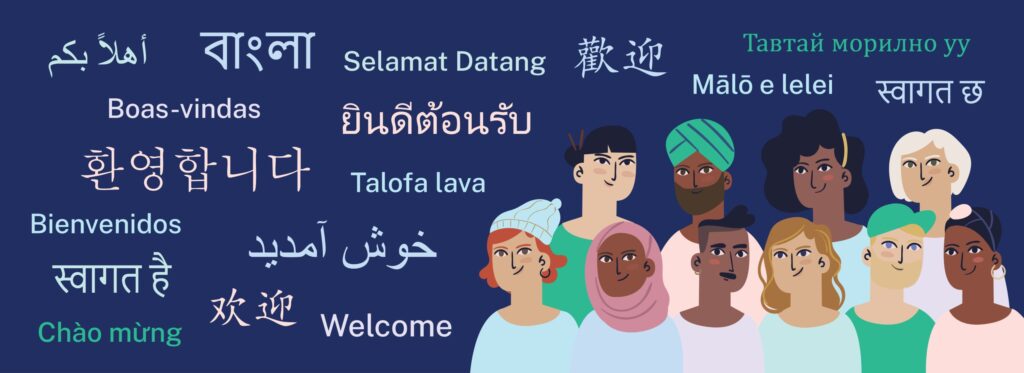
NSW Multicultural HIV & Hepatitis Service (MHAHS) has launched its new website – mhahs.org.au – featuring new content, additional languages and improved functionality.
This new website provides health information in 17 languages, covering topics including hep B and hep C, HIV, sexual health, and navigating the Australian health system. There’s also a range of multilingual resources, a new education package series, and details about support services on their Resource and Education page.
The website URL remains the same, however many resources and pages now have new addresses, so MHAHS advise you check and update any links you may have shared previously.

The Champion is our free monthly eNews with updates on hep C, hep B, treatment news, social media campaigns, living well with viral hepatitis, and events. To subscribe and receive a monthly edition of the The Champion to your inbox, please complete this confidential form: