Your cart is empty

In this July issue we mark World Hepatitis Day, call out for nominations for the Cheryl Burman Award, wrap up Hepatitis Awareness Week, our HEP CURED campaign and much more.
- World Hepatitis Day 2026
- Who is your NSW Hepatitis Champion?
- HEPCURED and clinical partners tour NSW
- Tharawal AMS 2026 NAIDOC
- Port Kembla DBS outreach
- Workshop with harm reduction peers at Dillwynia
- Hep B and liver cancer animation
- Lived Experience Peer Micha celebrated in Northern NSW!
- Build your research skills and help improve health research
- Lived experience of poverty?
World Hepatitis Day 2026
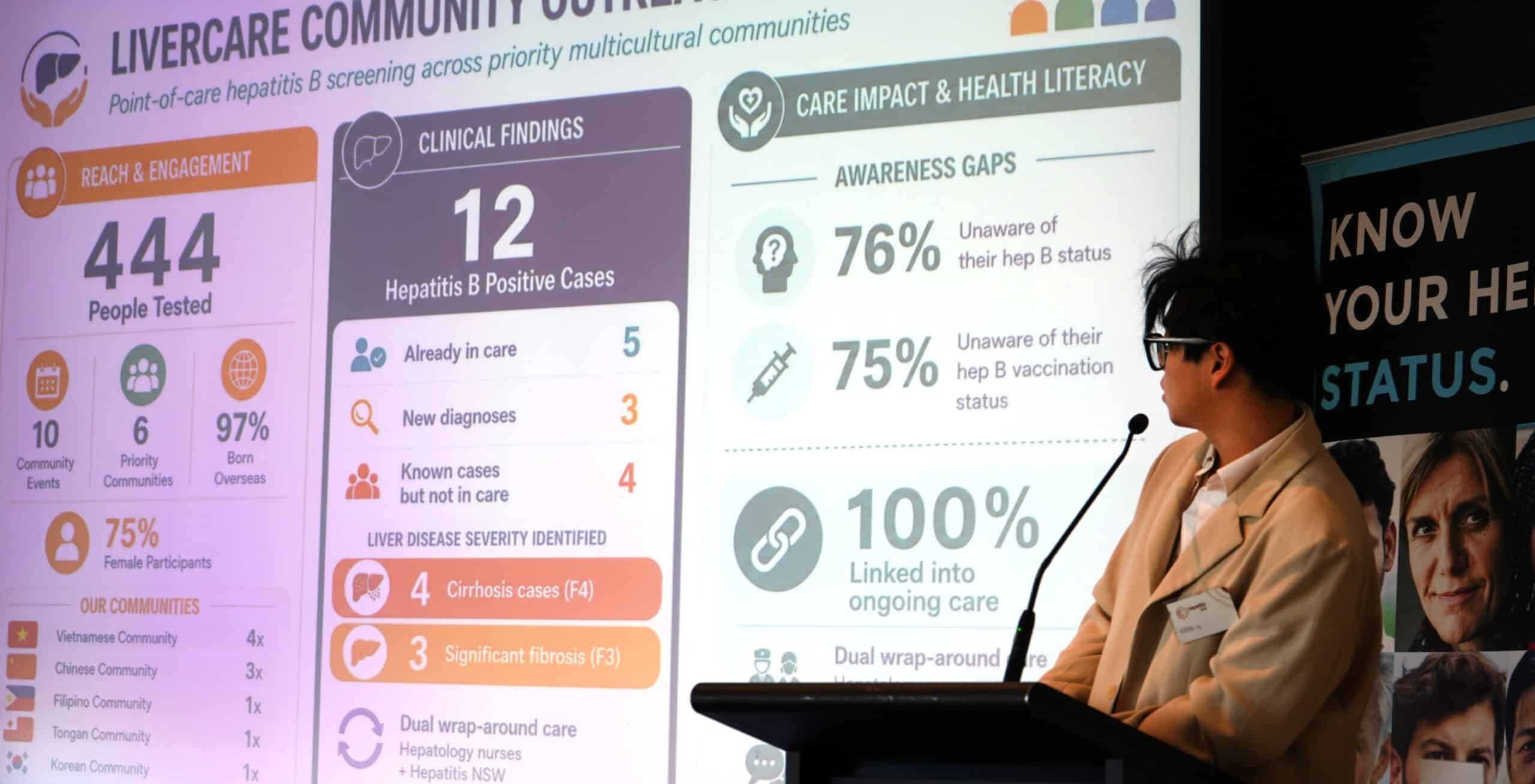
At our World Hepatitis Day event on Tuesday 28 July 2026, Hepatitis NSW called on governments, health services, researchers, community organisations and affected communities to maintain momentum towards the elimination of viral hepatitis and to strengthen efforts to prevent liver disease and liver cancer across New South Wales. While NSW has made substantial progress in reducing the impact of hepatitis C, significant challenges remain. Hepatitis B continues to be a major public health concern, with nearly 78,000 people estimated to be living with chronic hepatitis B in NSW and tens of thousands not engaged in the regular care needed to prevent liver disease and liver cancer.
World Hepatitis Day provides an important opportunity each year to celebrate and reflect on how far we have come in improving health outcomes for people living with viral hepatitis, while also recognising how much work remains to be done to achieve elimination.
We have a learnt a lot over the years and as a result, we know that coordinated action works. Community-led programs, expanded testing and treatment, and harm reduction initiatives have transformed outcomes for many people affected by hepatitis C. Despite this, elimination is not guaranteed. More work needs to be done.
Critically and disappointingly, we are failing to meet most of the hepatitis B elimination targets, and it is highly unlikely we can achieve elimination before 2040. This is deeply concerning and highlights the need for urgent prioritisation of hepatitis B.
The Hepatitis NSW report Viral Hepatitis Elimination and Beyond in NSW, prepared following the 2025 NSW Viral Hepatitis Elimination and Beyond Summit, highlights that stigma, discrimination, racism, service fragmentation, geography and cost continue to prevent many people from accessing testing, treatment and ongoing care. These barriers are felt most strongly by Aboriginal and Torres Strait Islander peoples, culturally and linguistically diverse communities, people who inject drugs, people in custodial settings, people living in regional and rural areas, and people who are not eligible for Medicare.
More than 160 people die every year in NSW from hepatitis B-related liver cancer. These deaths are often preventable through timely diagnosis, monitoring and treatment.
We need renewed investment and urgency to ensure everyone can access the care they need, regardless of where they live or their circumstances.
Hepatitis NSW is also encouraging a broader focus on liver health. Preventing advanced liver disease and liver cancer must become a central goal of future hepatitis strategies, alongside efforts to eliminate new infections.
World Hepatitis Day reminds us that elimination is achievable, but only through sustained commitment, community leadership and equitable access to health care.
We have the tools, knowledge and partnerships needed to save lives. Now we need the collective determination to finish the job and ensure that everyone affected by viral hepatitis in NSW can live free from stigma, preventable illness and avoidable loss.
This will take government, sector and community commitment — and, most importantly, funding. It is not a big ask; it is a realistic expectation. The impact on people will be life-changing, and the outcome will be remarkable: a world free of viral hepatitis.
Download the Summit Report: >>> CLICK HERE

Who is your NSW Hepatitis Champion?
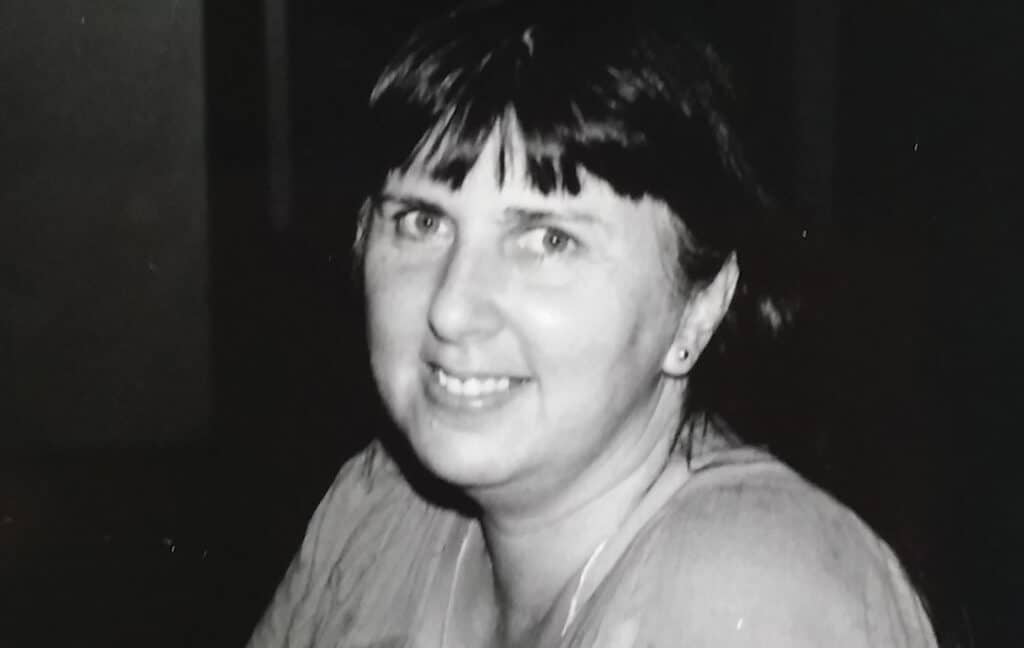
Nominations are now open for the 2026 Hepatitis NSW Cheryl Burman Award!
Do you know a person or a team who has done outstanding work and contributed towards the elimination of viral hepatitis in NSW? Then you should nominate them for this year’s Cheryl Burman Award.
The award pays tribute to Cheryl Burman, a key individual who provided exceptional leadership in the NSW viral hepatitis response. Cheryl was a member of the Hepatitis C Council of NSW Board from 1993 to 2000 and was President from 1995 to 1999. Cheryl made significant contributions to the governance and leadership of our organisation for almost seven years and remained a friend and supporter of Hepatitis NSW. Sadly, Cheryl died on 9 August 2011 after a very long fight with hepatitis C. We are pleased to name this award in Cheryl’s memory and honour.
Hepatitis NSW’s Cheryl Burman Award is an annual award given to a person or group who has done outstanding work in NSW in the fight against viral hepatitis. This could be in the advancement of treatment, support, information provision, prevention or management for people living with viral hepatitis.

How do you nominate someone?
- Go to our website and complete the online nomination process.
- Or scan the QR code
- For further information email hnsw@hep.org.au.
Nominations close at 5pm on Monday, 18 August 2026.
This year’s award will be presented at our AGM on Thursday, 27 November 2026.
HEPCURED and Clinical Partners Tour NSW
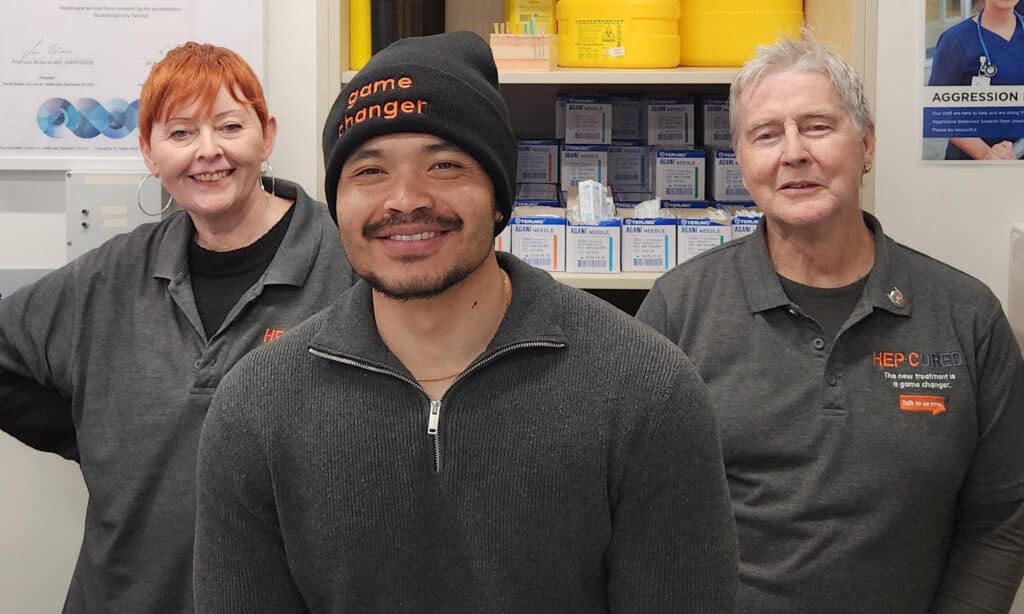
July 2026: Each year, World Hepatitis Day and NSW Hepatitis Awareness Week provide an opportunity to raise awareness about viral hepatitis and encourage people to act. They are also a chance for the Hepatitis NSW team to promote and support our community partners, who deliver health promotion, testing and treatment activities through outreach and across hospitals, liver clinics, drug health services, mental health services and homelessness services.
Hepatitis NSW’s #HEPCURED campaign promotes the message that hepatitis C can be cured. Medication cures more than 95% of people in 8 or 12 weeks, is easy to take, involves tablets rather than injections, and has few side effects. More than 59% of people living with hepatitis C in NSW have already been cured. The elimination of hepatitis C is now an achievable goal due to combined, collaborative efforts and the support of government, the health sector and our communities.
The #HEPCURED campaign ran throughout NSW in July and featured two travelling mobile billboard trucks touring more than 40 community pop-up events, where we partnered with health and community services to promote and deliver hepatitis C testing and treatment. Across Sydney, from Redfern to Campbelltown, and across regional NSW, from Tweed and Kempsey to Tamworth and Bathurst, we worked with community groups, Local Health Districts and an incredible team of lived-experience peer workers from both Hepatitis NSW and NUAA to bring the elimination of hepatitis C a step closer in NSW.
VIEW OUR SLIDESHOW OF HEP CURED 2026 EVENTS IN NSW
Tharawal AMS 2026 NAIDOC
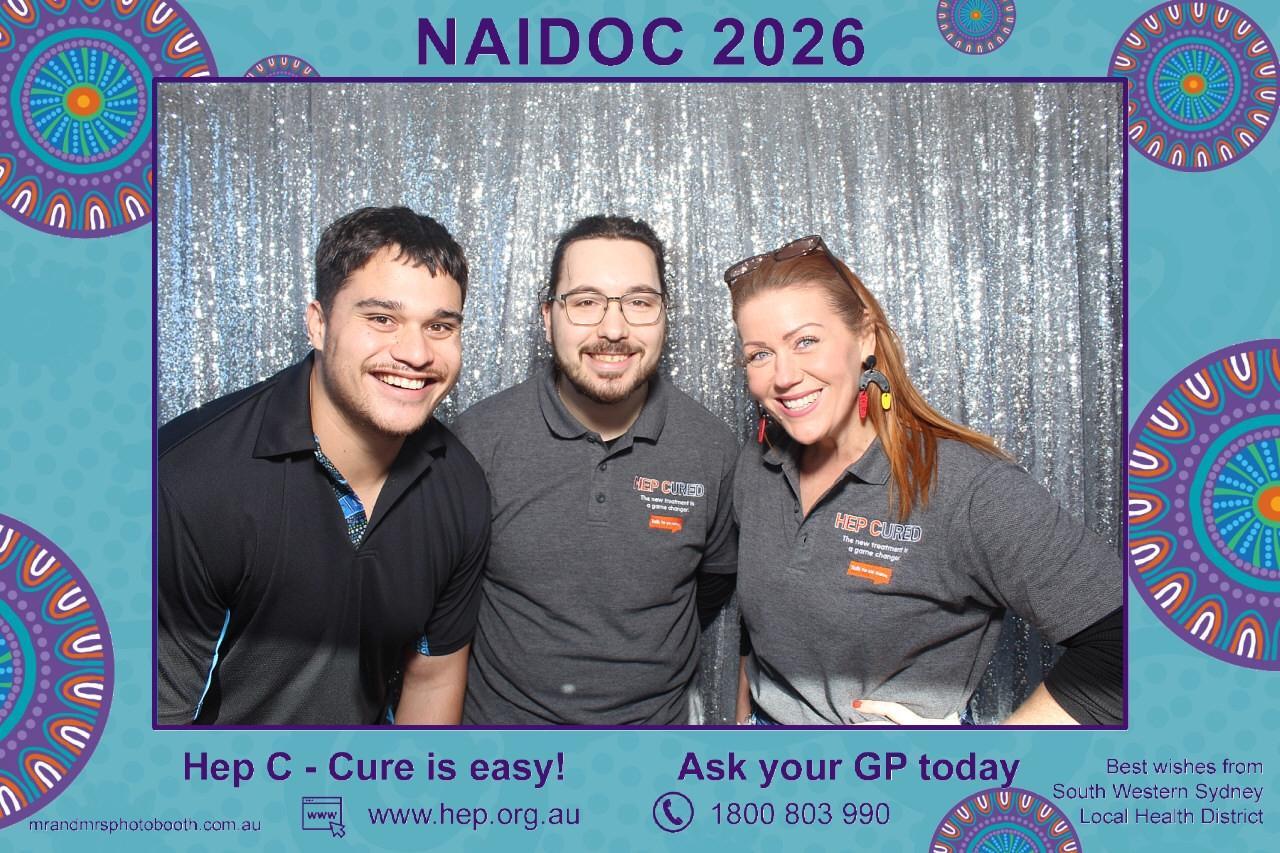
Maia, Program Officer, Aboriginal Community Engagement, spent Thursday 16 July with South Western Sydney Local Health District and Tharawal Aboriginal Medical Service engaging with hundreds of community members at the Tharawal AMS 2026 NAIDOC event in Campbelltown. The team connected with young mob and parents about BBVs, STIs and the importance of celebrating family and cultural connection during NAIDOC. Community members were engaged through a spin-the-wheel activity, where they answered questions about NAIDOC, hepatitis and sexual health, and got to take away information resources and merchandise.
Port Kembla DBS Outreach
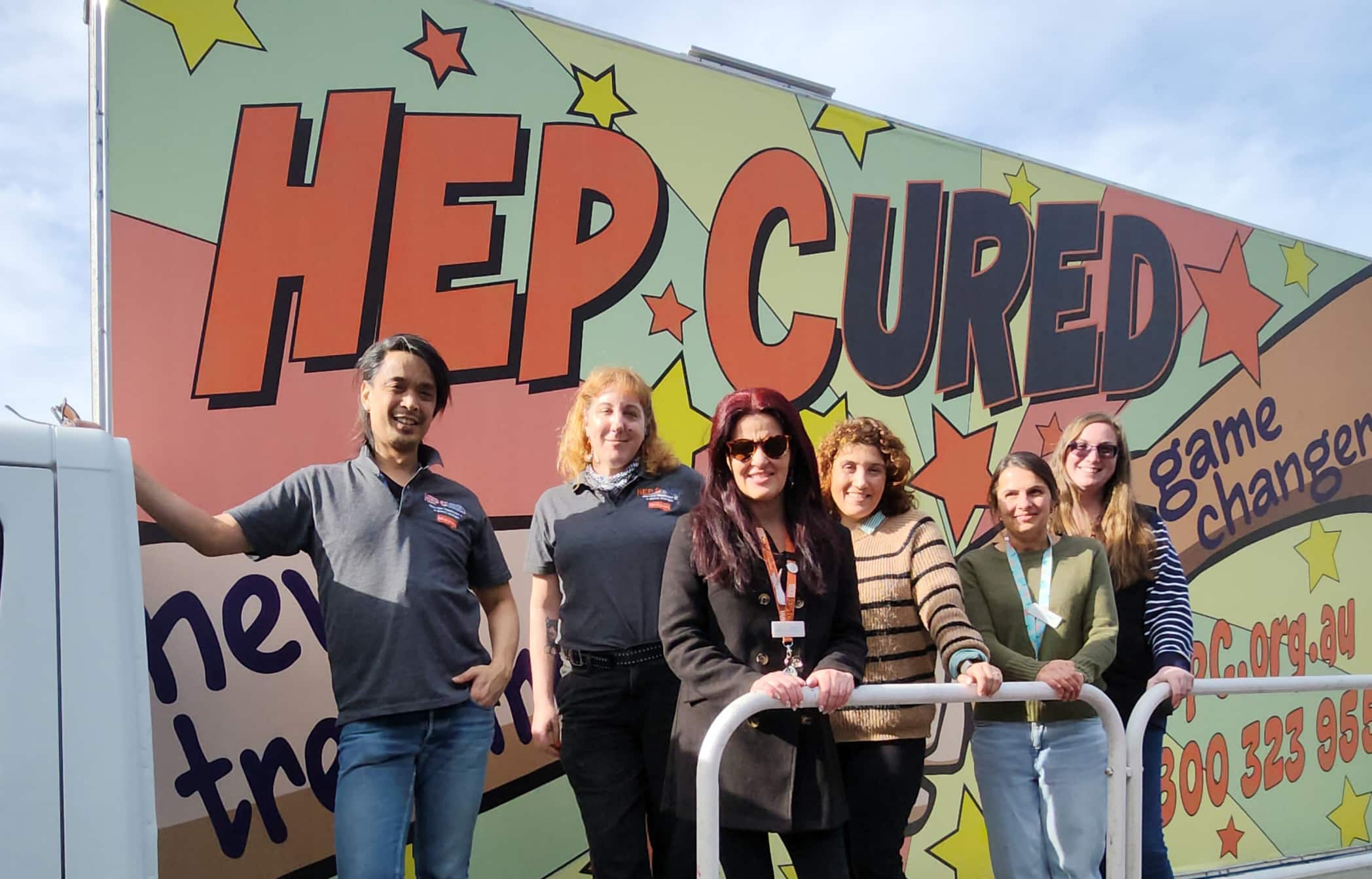
Hepatitis NSW’s HEPCURED outreach event at Port Kembla was one of 40 events across NSW during Hepatitis Awareness Week that began on 20 July, and continued into August. In Port Kembla, Hepatitis NSW partnered with local charity BaptistCare HopeStreet to raise awareness of viral hepatitis. BaptistCare HopeStreet delivers vital support to the community, offering essential services such as hot meals and laundry facilities, along with popular social activities such as trivia and bingo. On Wednesday 23 July, the Port Kembla team added another important service to its line-up. To mark Hepatitis Awareness Week, the HEPCURED mobile mural and Hepatitis NSW’s HepLink DBS visited HopeStreet during its festive “Christmas in July” lunch. We provided onsite, hassle-free hepatitis C screening using Dried Blood Spot (DBS) testing. This innovative method is needle-free, takes just a few minutes and delivers confidential results in approximately 10 days.
Workshop with Harm Reduction Peers at Dillwynia
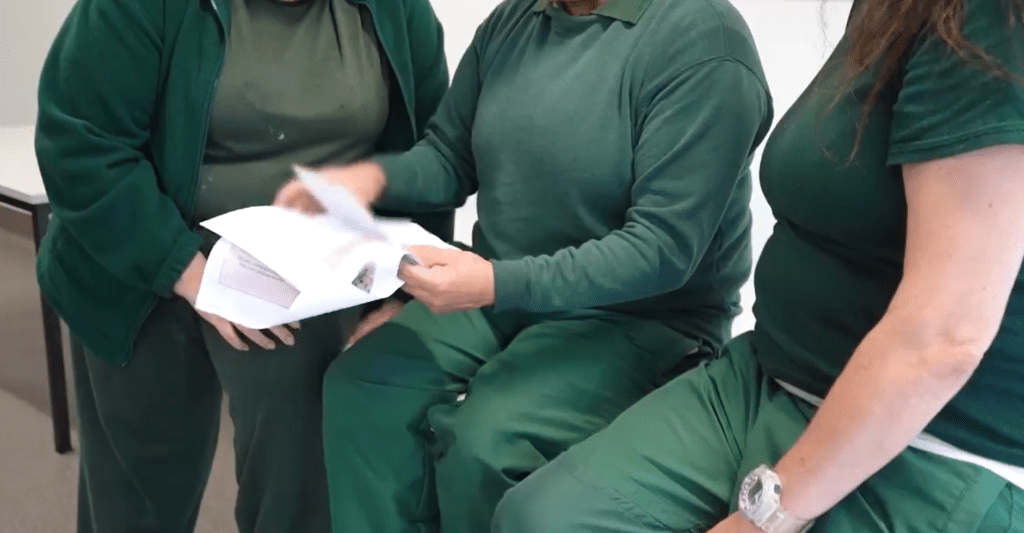
Women at Dillwynia Women’s Correctional Centre are building the knowledge and confidence to support healthier choices among their peers through the newly expanded Harm Reduction Peer Program. The initiative brings together Justice Health NSW, Corrective Services NSW and Hepatitis NSW.
Participants learn how to have informed, respectful conversations about health and connect others with appropriate care. By sharing trusted information within their community, peer workers can challenge stigma and make health services easier to navigate.
The training combines practical peer-support skills with essential health education. Topics include communication, self-care, boundaries, stigma and discrimination, safer drug use, sexual health, overdose response and the prevention of blood-borne viruses.
As well as strengthening access to reliable health information, the program creates opportunities for participants to develop leadership and mentoring experience. Their contribution helps foster a correctional environment where people feel better informed, supported and able to seek care.
The expansion at Dillwynia shows the value of agencies and community organisations working side by side to improve health outcomes for people in custody.
Hep B and Liver Cancer Animation
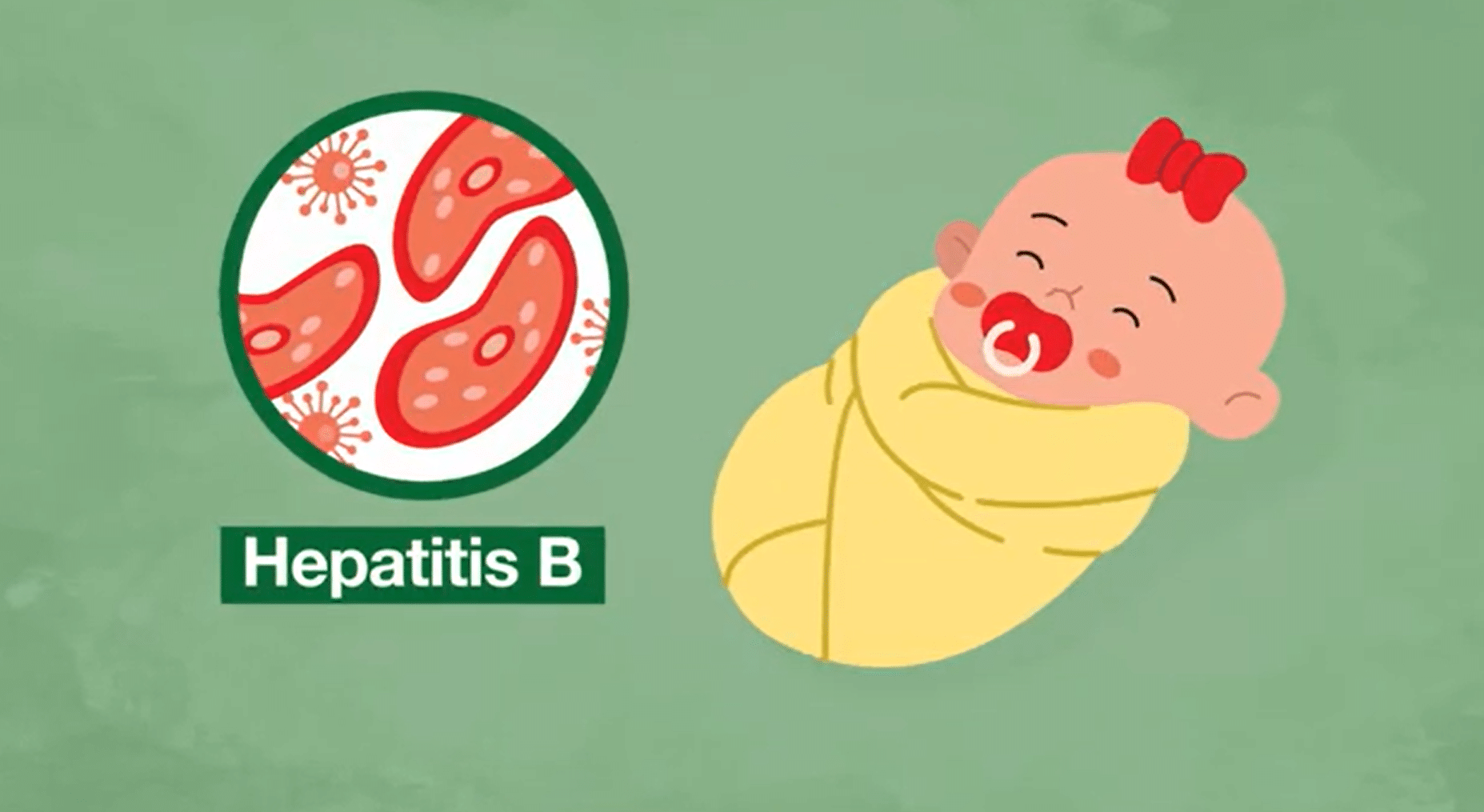
Hepatitis NSW has released our new video on hepatitis B and liver cancer. This bright, fun and easy-to-follow video provides clear, friendly and practical information for affected communities. Its message is simple but powerful: knowing your hepatitis B status, talking with family and staying connected to care can help prevent liver cancer. You can view the video >>> here.
Versions in Mandarin, Korean and Vietnamese will be available in August.
Lived Experience Peer Micha celebrated in Northern NSW!
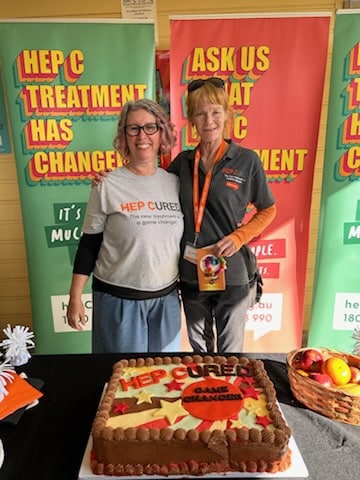
At Hepatitis NSW, we know our lived experience peers do incredible work encouraging and supporting people to test and treat for hepatitis C. So, we were thrilled to see peer Micha recognised by Northern NSW LHD for her outstanding contribution.
Northern NSW LHD shared this warm acknowledgement:
As we celebrate 10 years of game-changing hepatitis C treatment and many years of collaboration, it is important to acknowledge the contribution of peer workers. Peer workers use their lived experience to support others, build trust, help people navigate healthcare, and encourage testing and treatment.
Micha has partnered with HARP for around four years, supporting regular outreach at services including The Winsome and Lismore Soup Kitchen, Riverlands, Community Mental Health, and Lismore and Casino Community Corrections.
She has also supported testing blitzes and Hepatitis Awareness Week activities across the region, including at homelessness services, neighbourhood centres, liver clinics, hospitals and community settings.
Micha’s strengths include her communication style, her ability to build rapport in many different settings, and her willingness to engage with clients, community members and staff. Her insights help services better understand community needs.
We are so grateful for the warmth, humanity and passion Micha brings to her work. She is also excellent at keeping us organised — she runs a tight ship, and we have learned mostly just to follow!
Congratulations, Micha! Everyone at Hepatitis NSW feels the same way. We are proud, though unsurprised, to see this deep appreciation from Northern NSW LHD staff.
Since completing peer training in July 2022, Micha has consistently led from the front in her work with local communities and health teams across Northern NSW and the Mid North Coast.
Her strong engagement, advocacy, sense of service and deep connection with community continue to stand out.
Kyle, who originally recruited Micha, said it has been amazing to see her grow from someone initially reserved into a passionate hepatitis C advocate and wonderful peer worker.
JD, our Peer Support Officer, described Micha as “hard working, bighearted and generous” and “a shining star in our Peer Program family”. Congratulations, Micha — and thank you for everything you bring to this work.
Build your research skills and help improve health research
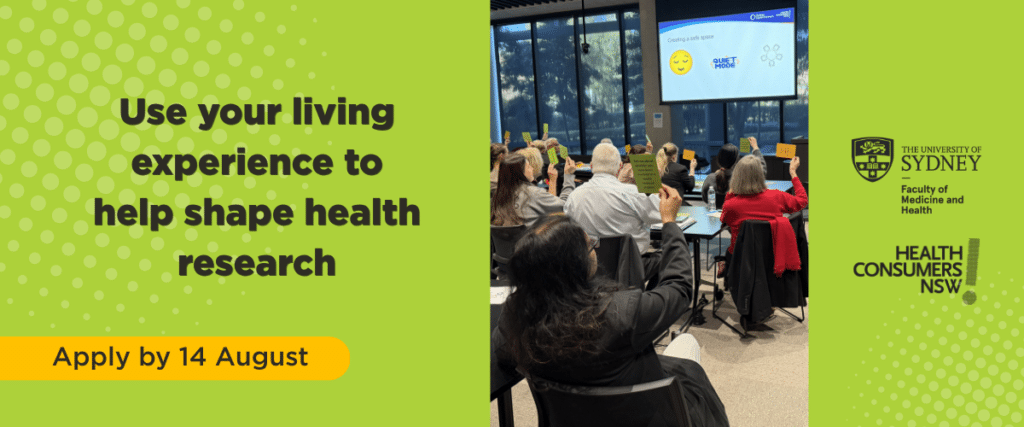
Health Consumers NSW and the Faculty of Medicine and Health at the University of Sydney want to improve how researchers work with consumers and people with lived experience in health research. The university is funding a small program to support consumers and researchers to work together. They are looking for 10 consumers to take part in this program. Please click >>> here for more information and to apply.
As a participant, you will:
- get access to a free online introductory training course about consumer involvement in research
- attend a consumer-researcher speed networking and matching face-to-face event on 27 August 2026 in Sydney from 10am to 12pm
- be matched with an Early or Mid-Career Researcher whose work interests you
- be paid $54 per hour for up to 5 hours of participation and work with your matched researcher
- take part in a one-hour group coaching and mentoring session with Health Consumers NSW.
Lived experience of poverty?
Researchers at UNSW want to speak with people who have experienced poverty within the past five years. The project aims to better understand how poverty is experienced day to day and over time, so researchers can help reshape conversations about poverty. The study is part of the Poverty and Inequality Partnership.
Researchers at UNSW also want to understand the long-term impacts of these experiences and how they may change over several years. To thank participants for their time, the Poverty and Inequality Partnership is offering prepaid gift cards after completion of each interview and photo activity.
The study is planned to run until 2031. For more information, click >>> here.
The Champion is our free monthly eNews with updates on hep C, hep B, treatment news, social media campaigns, living well with viral hepatitis, and events. To subscribe and receive a monthly edition of the The Champion to your inbox, please complete this confidential form: